
Key takeaways
- Start with a site survey to map pathways, equipment rooms, power, access constraints, and future growth.
- Coordinate early with IT, general contractors, and property management to avoid schedule and construction conflicts.
- Confirm Carson permit, licensing, inspection, and code responsibilities before installation begins.
- Use permanent labels and performance testing for every cable, outlet, patch panel, and telecom-room connection.
- Require closeout records, including test reports, cable schedules, floor plans, pathway notes, and rack photographs.
- Plan copper or fiber around device counts, distances, bandwidth needs, and long-term expansion.
Cabling Planning Checklist
- Map workstations, Wi-Fi access points, cameras, and equipment rooms before selecting cable routes.
- Choose Cat6 or fiber based on bandwidth, distance, and connected-device demands.
- Plan pathways that keep cables neat, protected, and accessible for service work.
- Keep data cabling separated from electrical lines to limit signal interference.
- Label every cable, port, patch panel, and outlet for faster troubleshooting.
- Request certification test reports for each installed copper or fiber run.
- Leave spare pathways and ports for new tenants, equipment, or network expansion.
Structured cabling scope
| Structured cabling scope | Contractor work | Property needs addressed |
| Network backbone | Installs cabling for commercial properties | Data, voice, Wi-Fi, security, and connected devices |
| Cable routing | Uses clean routing | Organized daily operation |
| Identification | Provides accurate labeling | Clear cable and connection reference |
| Connections | Completes dependable terminations | System built for daily use |
| Project planning | Fits the cabling plan to the floor plan, equipment, and future growth | Tenant improvements and ground-up builds |
A Clear Commercial Cabling Project Process
Successful commercial cabling starts with a detailed site survey that maps work areas, equipment rooms, ceilings, pathways, power sources, and future growth plans. The survey should identify available conduit capacity, riser routes, rack locations, fire-rated walls, wireless access point locations, and any areas that require work outside normal business hours. From there, experienced contractors set a practical schedule around your operating hours, coordinate access with other trades, and document every decision before cabling installation begins. A clear scope should confirm cable types, outlet locations, patch-panel layouts, labeling conventions, cable tray routes, and the responsibility for patching new ports into active network equipment. The work should include clearly labelled runs, tidy containment, tested connections, and records your IT team can use later. Test reports, rack elevations, floor plans, cable identifiers, and photographs of concealed routes give staff a reliable reference for troubleshooting and future changes. Installers should protect occupied areas, seal penetrations after work, maintain separation from electrical services, and remove installation debris before each work area is returned to use. Well-managed projects do not end at handover: dependable support gives your business a direct route for moves, additions, fault finding, and changes as the premises evolve.

Commercial Cabling Project Steps
- Survey work areas, equipment rooms, ceilings, cable pathways, power sources, and planned expansion before design work starts.
- Set installation dates around operating hours to limit disruption for staff, visitors, and day-to-day business activity.
- Coordinate site access, ceiling works, and pathway requirements with builders, electricians, and other trades.
- Record cable routes, outlet locations, equipment requirements, and approved changes before installation begins.
- Install labelled cable runs and tidy containment that support straightforward identification, maintenance, and future changes.
- Test every connection and provide results showing installed links meet the required performance standard.
- Hand over drawings, labels, test records, and support contact details for moves, additions, faults, and site changes.





Testing, Labeling, and Closeout Records
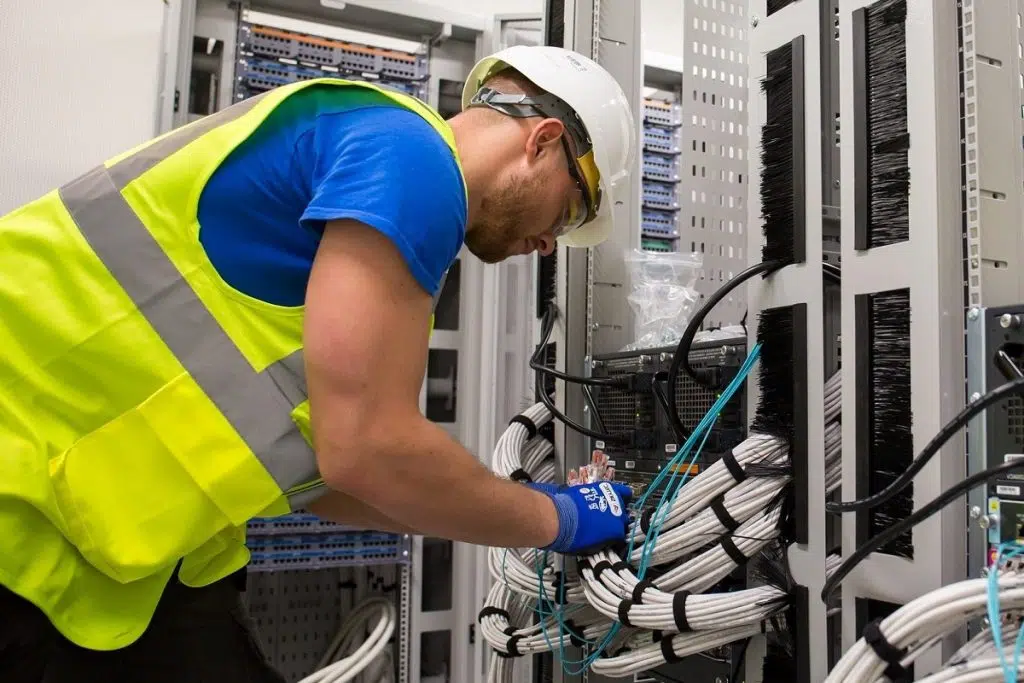
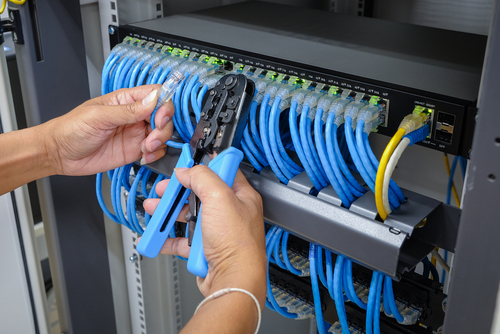
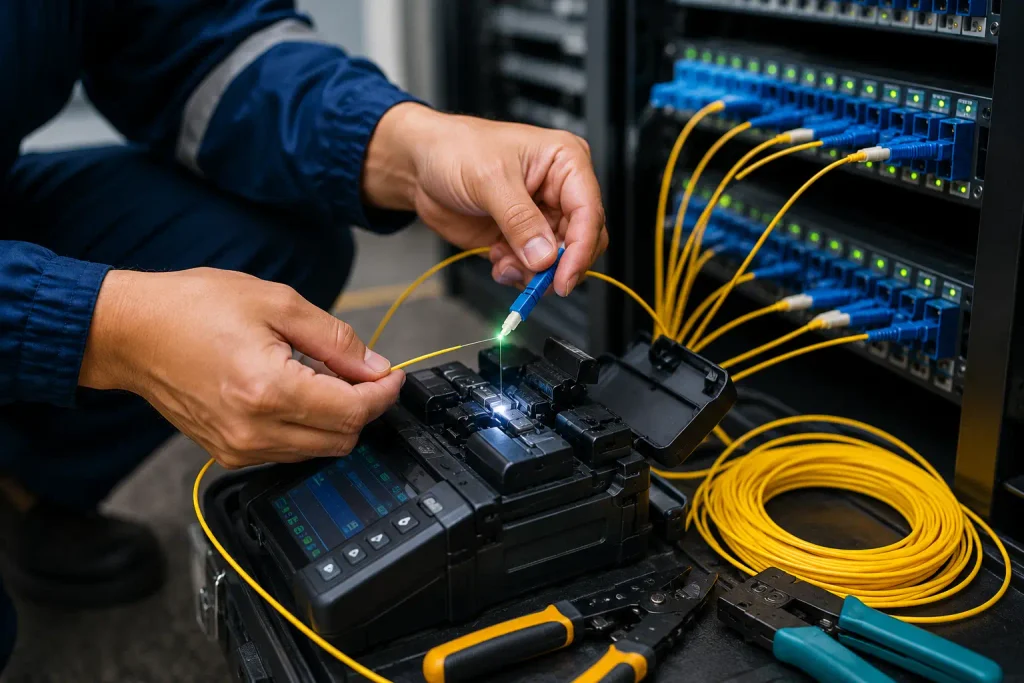
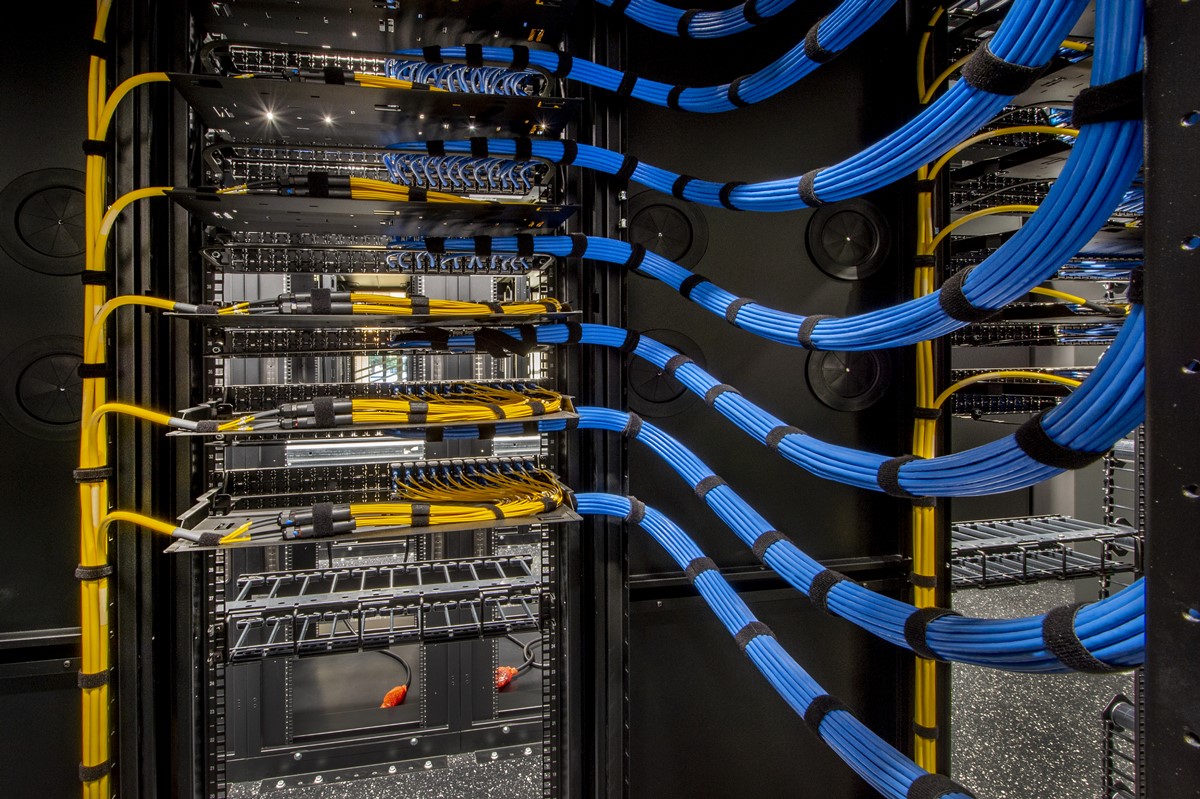
A structured cabling installation is not finished at the last termination. Each network cable should be tested to the applicable performance standard, with results linked to its permanent label and location. For cat network cabling runs, test records should identify the cable category, link length, and pass or fail status. Clear identifiers at work-area outlets, patch panels, and telecom rooms make routine changes far less disruptive. Closeout records should include test reports, cable schedules, pathway notes, floor plans, and photographs of racks or unusual routes. This documentation gives building staff a usable record of the cabling infrastructure rather than a stack of disconnected paperwork. A well-documented system lets future technicians trace a circuit quickly, protect capacity, and make changes without guesswork.
Carson Permits, Licensing, and Code Coordination
In Carson, a well-planned low voltage project starts before cable reaches a wall or ceiling. Permit needs can vary with the scope: a straightforward tenant improvement may differ from a new build, a fire-related system, or work tied to electrical infrastructure. A qualified cabling contractor reviews drawings, site conditions, pathways, penetrations, and the responsible trade before cabling installation begins. That early coordination helps prevent conflicts with framing, HVAC, fire stopping, and access requirements. Property owners should ask contractors who will prepare permit documents, schedule inspections, and close out corrections. Clear accountability matters, particularly in occupied offices, retail spaces, warehouses, and multi-tenant properties where work must fit a defined construction sequence.
Coordination With IT Teams, GCs, and Property Management
A polished office move or fit-out relies on early, direct coordination among IT teams, general contractors, and property management. The IT lead should map network requirements, server-room needs, wireless coverage, cat cable runs, connectivity targets, and equipment delivery windows before construction closes ceilings or walls. Contractors need clear infrastructure drawings, cable-path details, and power locations; building management controls loading docks, freight elevators, work hours, and after-hours access. Put one owner in charge of the schedule, then hold short check-ins to flag conflicts before they affect the build. For larger projects, confirm permits, insurance certificates, building rules, and support contacts in writing. That discipline keeps move day focused on people and operations rather than last-minute site issues.
Areas That We Serve
Request a Carson Commercial Site Assessment
Every reliable network starts with a clear view of the space. A site survey gives your team and a structured cabling contractor in Carson CA the details needed to map pathways, equipment rooms, work areas, ceiling conditions, power access, connectivity requirements, and future growth. For offices, warehouses, medical facilities, retail locations, and multi-tenant properties across Carson, the visit turns broad requirements into a practical installation plan. Discuss the number of data drops, wireless access points, cameras, phones, and network racks you expect to support. From there, cabling services can be scoped around your schedule, building rules, and operational needs. Request a visit to begin commercial cabling with fewer unknowns and a clearer path to installation.

Structured Cabling FAQ
Structured cabling gives a Carson property a planned, labeled pathway for voice, data, Wi-Fi access points, security cameras, and connected equipment. Questions usually center on cable type, disruption during installation, and room for future growth. A well-designed cabling installation starts with the equipment location, device count, pathway access, and performance requirements, not a box of cable. Copper network cable remains practical for many workstations, phones, and cameras; fiber optic runs suit longer distances, higher bandwidth, and links between buildings. The goal is a clean system that technicians can trace, test, and service without opening finished walls or guessing which line serves a particular device. Site conditions determine the right layout and materials.