
Key takeaways
- Structured cabling provides a scalable, dependable foundation for workstations, Wi-Fi, phones, cameras, and cloud tools.
- Plan pathways, racks, terminations, and future capacity before walls close during construction or tenant improvements.
- Cat6 supports everyday network runs; Cat6A handles higher bandwidth, while fiber supports long-distance backbone links.
- Clean labeling, patch panels, cable management, and documentation make troubleshooting, upgrades, and moves faster.
- Every permanent link should be tested, documented, and coordinated with electrical, fire alarm, ceiling, and inspection teams.
Data Cabling Installers in Carson CA
Reliable network performance starts behind the walls, above the ceiling, and inside the telecom room. Experienced data cabling installers in Carson CA design and install structured systems that support daily operations without creating future headaches. From offices and warehouses to retail sites and medical facilities, the right cabling contractor matches cable type, pathway planning, labeling, and testing to the demands of each commercial property. Carson businesses need connectivity that handles workstations, Wi-Fi access points, phones, cameras, access control, and cloud-based tools with room to grow. Well-planned infrastructure keeps moves, additions, and troubleshooting orderly rather than disruptive. Quality installation is more than pulling cable: it calls for clean routing, proper terminations, documented ports, and verified performance. The result is a dependable foundation for technology, one that gives commercial teams practical, scalable solutions instead of a patchwork of short-term fixes.




Structured Network Cabling Services
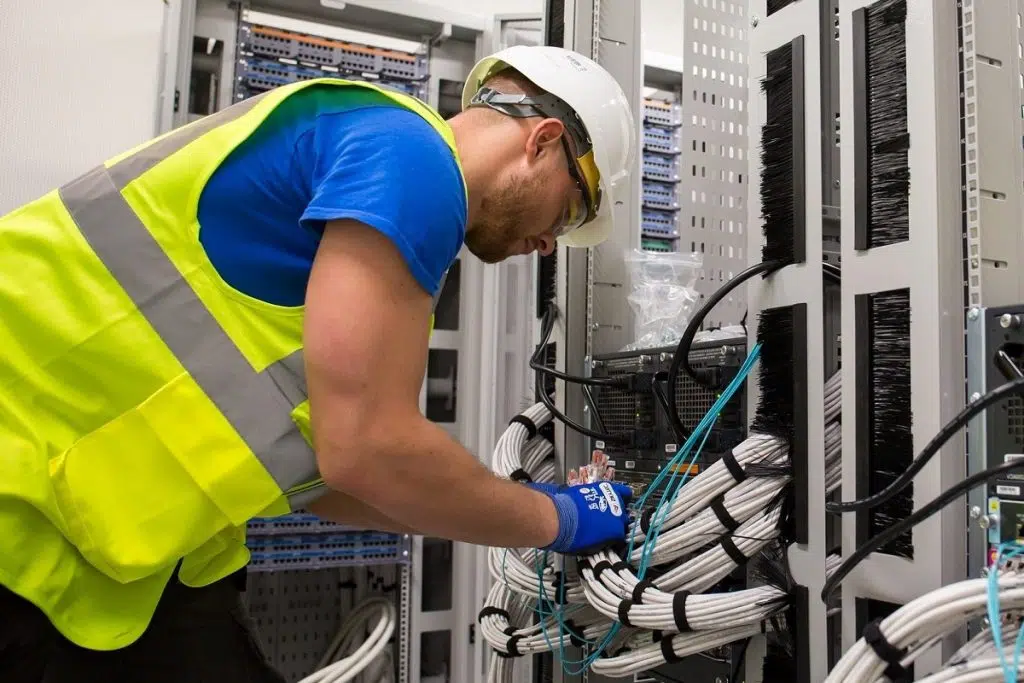
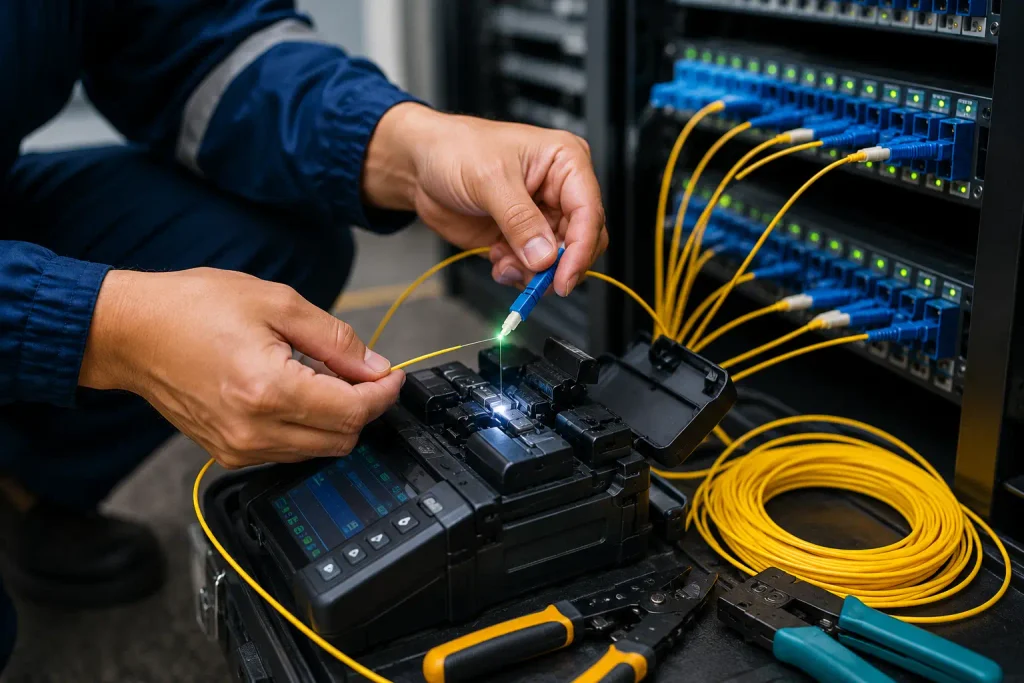
Reliable network cabling starts with disciplined planning and clean workmanship. Our structured cabling and commercial cabling services provide organized cable pathways, precise cabling installation, and experienced installers for offices, retail spaces, medical facilities, and other business environments.
Installation for New Construction and Tenant Improvements
New construction and tenant improvement projects benefit from a cabling plan drawn before walls close and finishes go in. We coordinate low voltage installation with electrical trades, general contractors, and telecommunications requirements, placing pathways, backboxes, racks, and terminations where teams will actually use them. Each custom layout accounts for workstations, conference rooms, wireless access points, phones, and future growth. Careful labeling and testing leave the site ready for turnover, with an orderly system that is easier to service long after move-in.
Moves, Adds, Changes and Network Upgrades
Growing teams and changing floor plans place new demands on data and network infrastructure. We handle moves, adds, and changes with minimal interruption, whether the work involves relocating desks, adding drops, reworking an equipment room, or extending internet connection points to a newly occupied suite. Upgrades can include higher-capacity cabling for faster data traffic, cleaner patching, and properly placed runs for security cameras. Before work begins, we review the existing system, identify practical reuse opportunities, and document each change for future service.

Commercial Cabling for Carson Facilities
Carson businesses rely on networks that stay organized under daily demand, from busy office suites and medical spaces to warehouses, schools, and retail locations. Professional commercial cabling gives every workstation, access point, camera, phone, and server a dependable physical connection. The right plan starts with the building: pathways, ceiling access, equipment rooms, electrical separation, and room for future moves. A structured cable system makes growth easier to manage, with labeled runs, clean terminations, and documentation that supports quick service later. Thoughtful data cabling can reduce clutter in telecom closets and help teams trace a connection without disrupting operations. Our commercial solutions are designed around the site’s actual use, not a generic parts list. That means selecting suitable cable categories, containment, patching, and testing for the performance the facility needs now and the changes it may face next.
Data Cabling Choices, Cat6, Cat6A, Fiber Optic and Voice/Data
Well-planned data cabling gives a property a dependable network foundation. Cat6 suits many everyday runs; Cat6A supports higher-bandwidth demands. Fiber optic cable serves longer distances and demanding backbone links, within a structured design that leaves room for future growth.
Installation Standards, Testing and Code Coordination
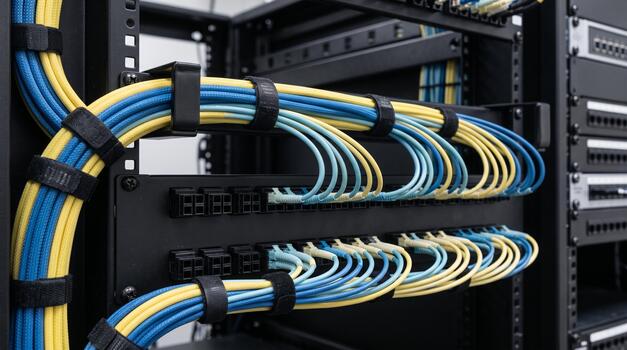
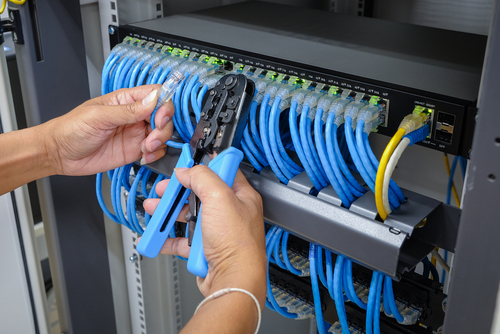
Quality installation is more than pulling low voltage cable above a ceiling. Pathways need proper support, bend radius, separation from electrical services, fire-stopping, clear labels, and accessible service loops. At the rack, neatly terminated patch panels and disciplined cable management make faults faster to trace and routine changes less disruptive.
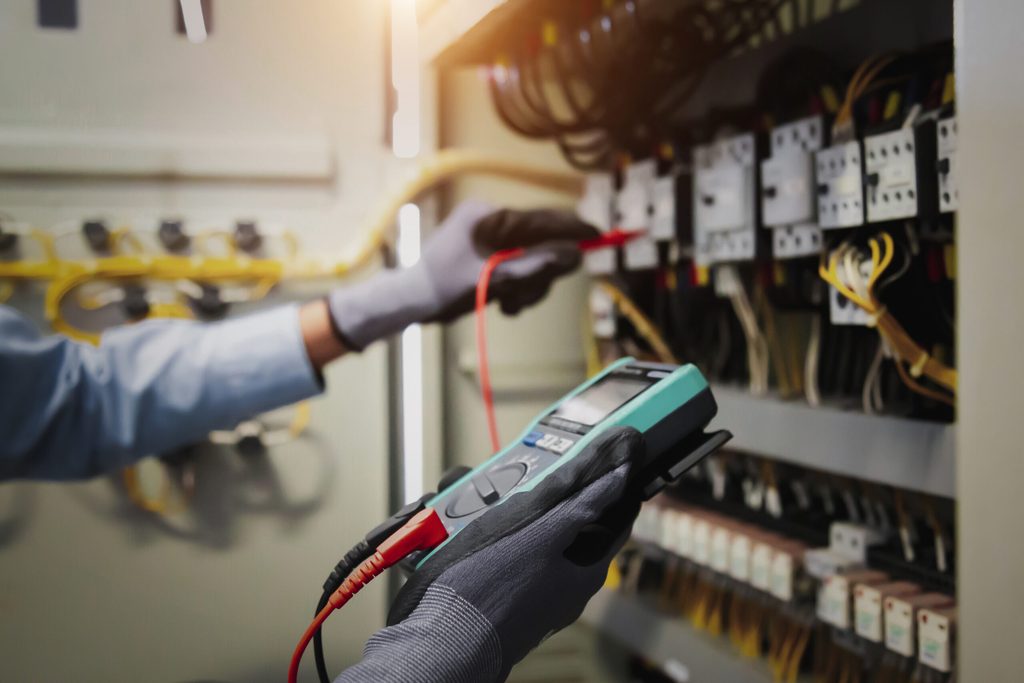
Each permanent link should be tested and documented against its intended telecommunications category, with results retained for the owner. Coordination with the electrical contractor, fire alarm team, ceiling trades, and local inspector prevents crowded routes and late rework. A clean closeout package, floor plans, panel schedules, labels, and test records, gives the next technician a reliable map of the system.
Structured Cabling Installation and Closeout Checklist
| Installation area | What to verify | Closeout record to retain |
| Pathways | Proper support, bend radius, separation from electrical services, fire-stopping, clear labels, and accessible service loops. | Floor plans and labels. |
| Cable routing | Routes remain clear and coordinated to prevent crowding and late rework. | Floor plans. |
| Rack terminations | Patch panels are neatly terminated, with disciplined cable management. | Panel schedules and labels. |
| Permanent-link testing | Each permanent link is tested against its intended telecommunications category. | Test records retained for the owner. |
| Trade and inspector coordination | Coordinate with the electrical contractor, fire alarm team, ceiling trades, and local inspector. | Floor plans and closeout package. |
| System closeout | Provide a clean package that gives the next technician a reliable system map. | Floor plans, panel schedules, labels, and test records. |
Installation quality checklist
- Support pathways properly and maintain bend radius throughout each cable run.
- Keep low-voltage cabling separated from electrical services and protect penetrations with approved fire-stopping.
- Use clear, durable labels at outlets, pathways, patch panels, and rack equipment.
- Leave accessible service loops for maintenance without crowding ceiling spaces or blocking other trades.
- Terminate patch panels neatly and manage rack cables for faster fault tracing and cleaner future changes.
- Test every permanent link against its intended telecommunications category; retain results for the owner.
- Coordinate routes with electrical, fire alarm, ceiling teams, and inspectors before installation begins.
- Deliver floor plans, panel schedules, labels, and test records as part of closeout documentation.
Installation quality checklist
- Support pathways properly, maintain bend radius, and separate low-voltage cabling from electrical services.
- Seal every rated penetration with approved fire-stopping materials.
- Label cables, outlets, patch panels, and pathways using consistent identifiers.
- Leave accessible service loops without overcrowding ceilings, trays, or racks.
- Terminate rack connections neatly and maintain disciplined cable management.
- Test each permanent link against its intended telecommunications category and retain results.
- Provide floor plans, panel schedules, labels, and test records at closeout.
Areas That We Serve
Network Closets, Server Racks and Patch Panels
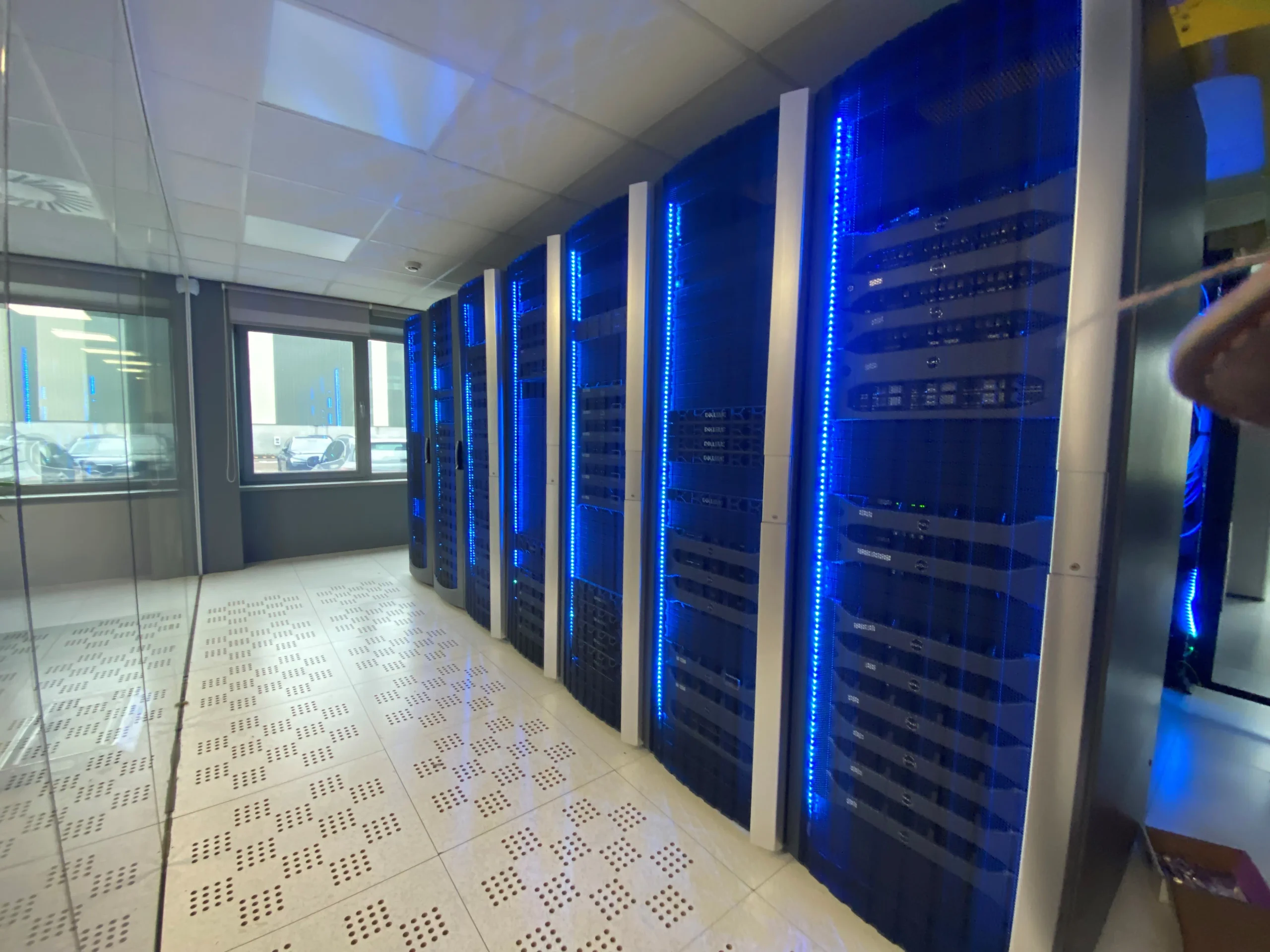
A well-planned network closet is the quiet control room behind reliable connectivity. In offices, retail spaces, schools and multi-tenant properties, server racks give switches, firewalls and power equipment a secure, serviceable home. Patch panels create a clean handoff between permanent runs and active hardware, so moves, repairs and upgrades do not disturb the building’s backbone. Good cable management matters just as much: properly sized pathways, labelled ports, horizontal and vertical managers, and room for airflow prevent a rack from becoming difficult to service six months later. Structured cabling should enter the room with a clear route, sensible slack and documented termination points. The finished network installation should look orderly, but its real value appears during a fault call, a new workstation rollout or a switch replacement, when every connection can be identified and reached without guesswork.

Repair, Replace or Expand Existing Cabling
Existing cabling deserves a close look before new equipment is added. A slow network, intermittent connection or crowded comms cabinet may stem from ageing cable runs, poor terminations or data cabling that no longer suits the demands placed on it. A site visit can identify whether targeted repairs will restore reliability, whether replacement network cabling is the wiser long-term investment, or whether there is capacity to extend the current system. The right scope is rarely about replacing every cable. In many homes, offices and retail spaces, sound routes and containment can be retained, with damaged sections renewed and new outlets added where people work. Careful testing confirms performance at each connection, leaving a neat installation that supports present use without making the next upgrade harder.