
Key takeaways
- Structured cabling supports workstations, Wi-Fi, phones, cameras, POS systems, servers, and future growth.
- Cat6 fits many business networks; Cat6A supports 10-gigabit links and higher-demand areas.
- Fiber optic cabling is ideal for backbones, multi-floor sites, and longer-distance connections.
- Site surveys identify pathways, access constraints, firestopping needs, equipment locations, and material requirements before installation.
- Certification, labeling, test reports, and drawings make networks easier to troubleshoot, maintain, and expand.
- Occupied facilities benefit from coordinated scheduling, code-aware planning, protected work zones, and minimal disruption.
Network Cabling Company Redondo Beach CA
A dependable network starts behind the walls, above the ceilings, and inside the equipment room. A network cabling company Redondo Beach CA businesses can rely on plans every run around daily operations: workstations, wireless access points, phones, cameras, point-of-sale equipment, and servers. Quality cabling is measured by more than a tidy rack. It requires thoughtful pathway design, labeled terminations, tested connections, and room for future moves without turning a small change into a disruption.
Our team provides professional network cabling services for offices, retail spaces, medical practices, hospitality properties, and light industrial facilities throughout Redondo Beach and the surrounding South Bay. Projects range from a single data drop to structured cabling for a full tenant build-out. We coordinate cleanly with property managers, IT teams, electricians, and other contractors, respecting access rules and the pace of an active site.

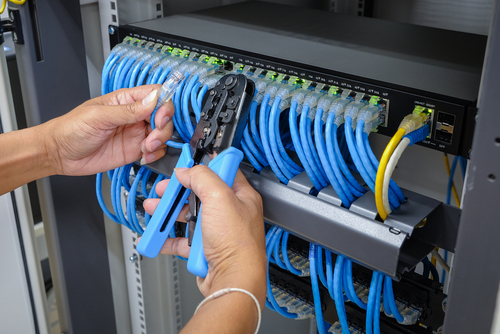
For Redondo Beach businesses facing a damaged line, failed connection, or time-sensitive outage, repair and emergency service focus on finding the fault quickly and restoring dependable performance. From Redondo Beach to neighboring areas across Los Angeles County, network cabling should feel invisible once the work is done: organized, documented, and ready for the work ahead.



Commercial Network Cabling and Structured Cabling Services
Reliable commercial network cabling gives facilities a clean, organized foundation for data and telecommunications. Our structured cabling services are planned around each project’s current needs, future growth, and the day-to-day demands placed on its network infrastructure.
Data Cabling Installation: Cat6, Cat6A, Fiber Optic and Wireless Access Points
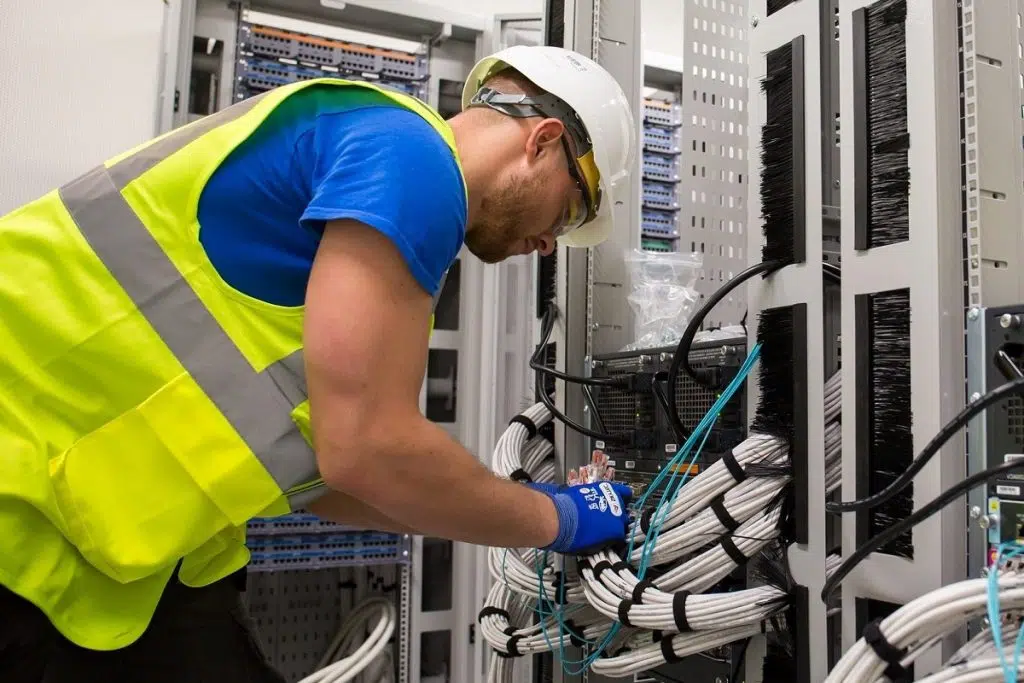
Every data cabling installation begins with the way people use the space. Offices need dependable workstation connections, meeting rooms need capacity for high-bandwidth collaboration, and warehouses may require durable runs across long distances. We map pathways, equipment locations, ceiling conditions, and access points before installation begins, keeping cable routes orderly and serviceable.
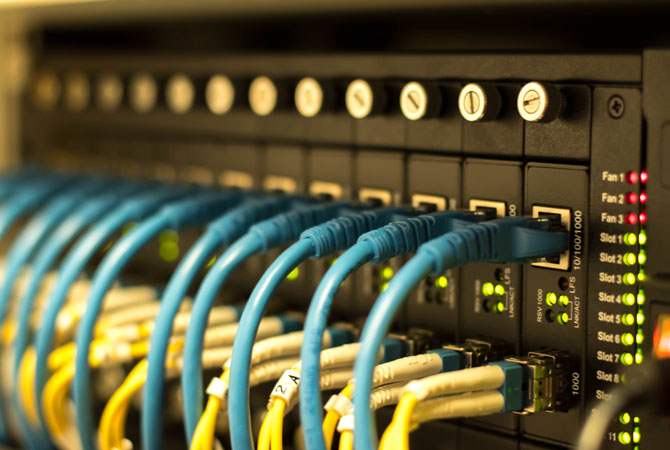
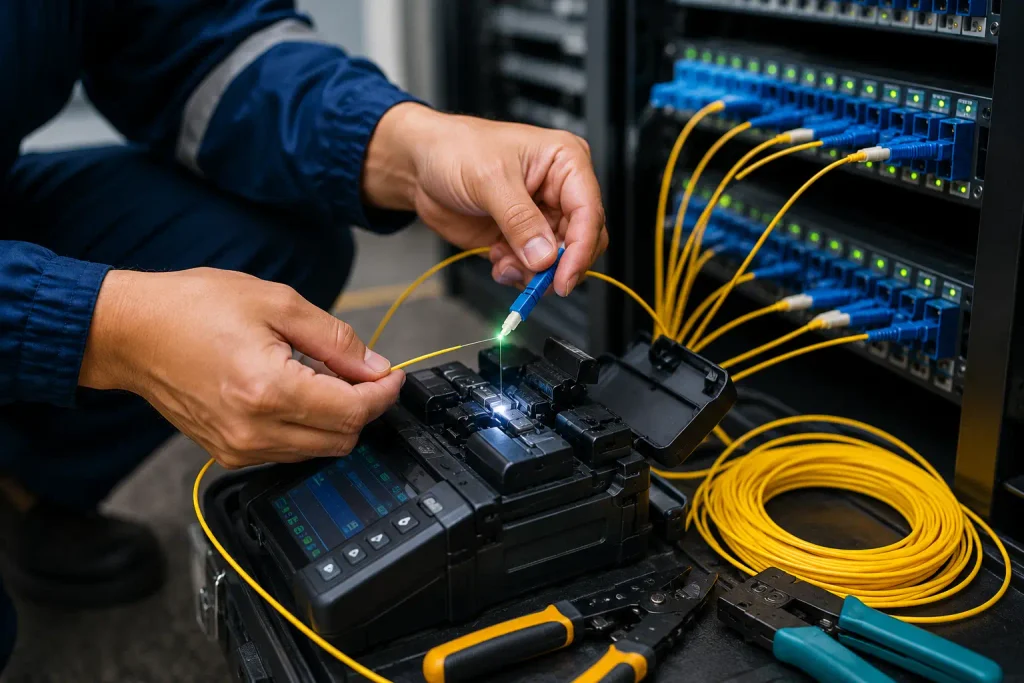
Cat6 cabling suits many business networks, while Cat6A is a strong choice for 10-gigabit links and areas where higher data loads are expected. Fiber optic cabling is selected for backbone connections, multi-floor facilities, and longer runs where copper is not the right fit. Our fiber work includes careful termination, labeling, testing, and documentation.
Wireless access points still rely on sound cabling behind the scenes. Proper placement and dedicated cable runs give each access point the power and connection it needs, helping staff and guests maintain consistent coverage throughout the building.
Network Cabling Options by Building Need
| Cabling option | Best suited for | Typical role in the installation | Planning considerations |
|---|---|---|---|
| Cat6 | Many business networks | Dependable connections for workstations and other networked spaces | Map pathways, equipment locations, ceiling conditions, and cable routes before installation. |
| Cat6A | 10-gigabit links and areas with higher data loads | Supports high-bandwidth network connections | Match cable runs to anticipated data-load needs and keep routes orderly and serviceable. |
| Fiber optic cabling | Backbone connections, multi-floor facilities, and longer runs | Connects areas where copper is not the right fit | Plan for careful termination, labeling, testing, and documentation. |
| Wired connections for wireless access points | Wireless access-point deployments across a building | Provides each access point with power and a network connection | Use proper access-point placement and dedicated cable runs to support consistent coverage. |
Cabling Solutions for Redondo Beach Business Sites
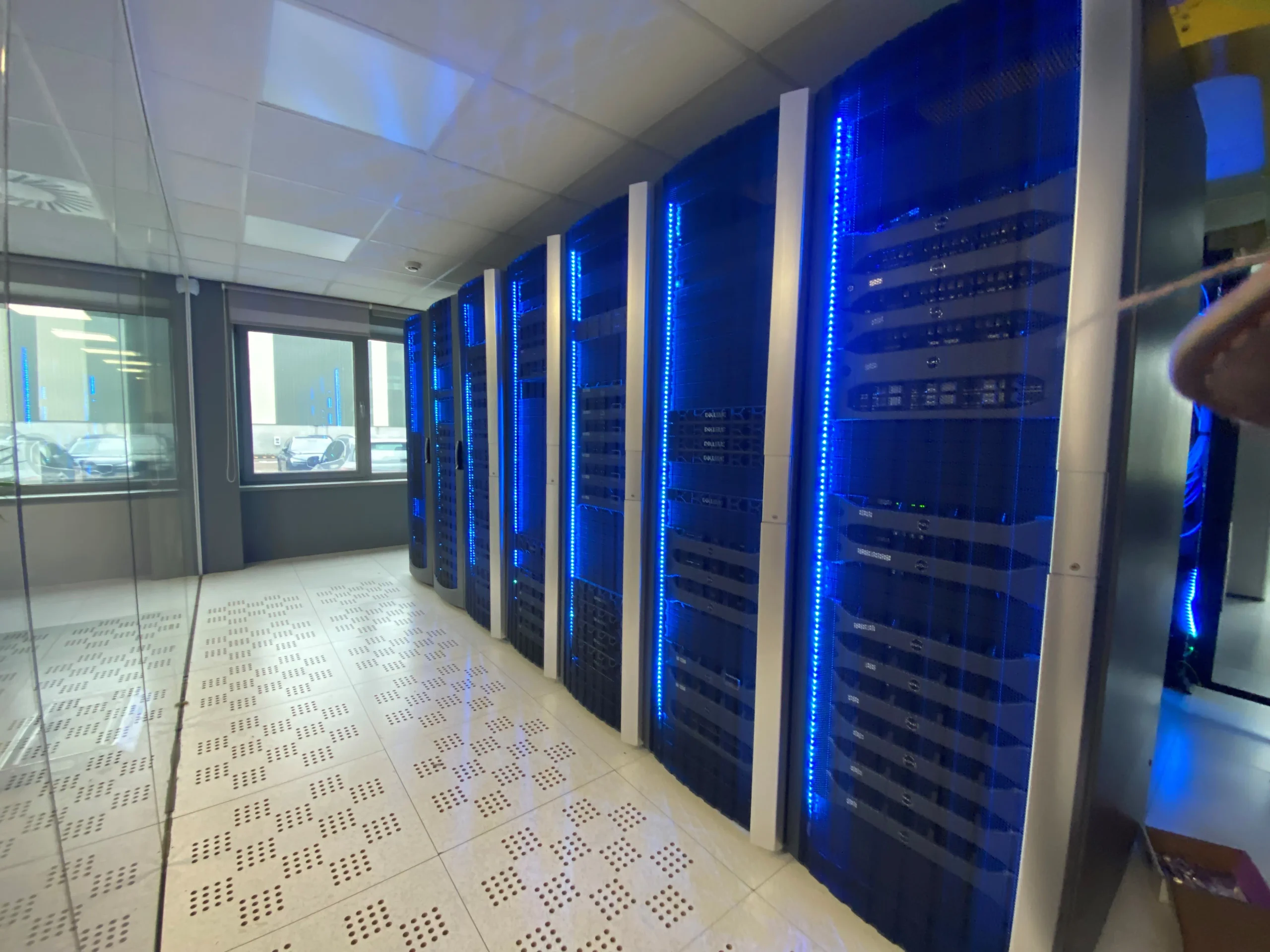
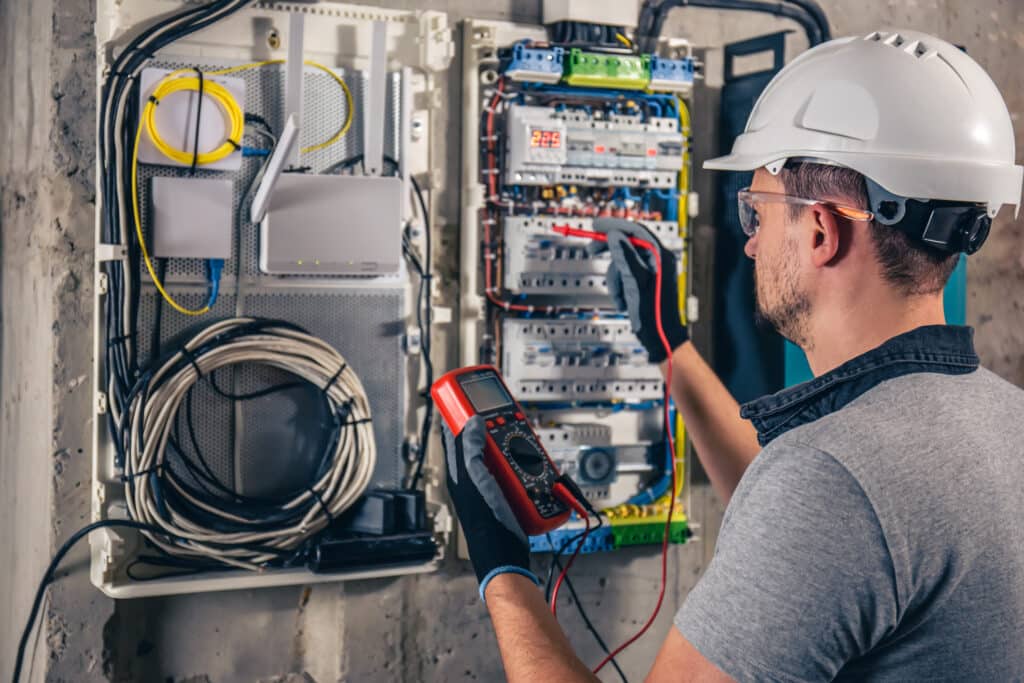
Redondo Beach business sites need cabling solutions that suit the building, the workday, and the demands placed on every connected device. A well-planned network cabling installation gives a commercial network a clean physical foundation, whether the site is a compact office near Riviera Village, a medical practice, a retail location, or a larger multi-tenant property. The details matter: cable pathways, rack placement, labeling, power separation, wireless access point locations, and room for future equipment all shape daily network performance.
Quality data cabling is not just about getting a connection from one room to another. It supports reliable calls, cloud applications, point-of-sale systems, cameras, access control, guest Wi-Fi, and the workstations employees rely on. For facilities with concrete walls, older construction, limited ceiling access, or active tenant operations, the installation plan must respect the site’s practical constraints. Thoughtful design keeps the network organized, serviceable, and ready for changes without turning routine moves or repairs into disruptive projects. The right cabling approach gives Redondo Beach facilities a dependable backbone for current operations and measured growth.
Cabling Planning Checklist
- Map cable routes around concrete walls, ceiling limits, tenant activity, and access needs before installation begins.
- Place network racks where technicians can reach equipment, power, cooling, and incoming service connections.
- Keep data cabling separated from electrical lines to reduce interference and simplify maintenance.
- Label every cable, outlet, patch panel, and rack port for faster repairs, moves, and equipment changes.
- Plan wireless access point locations around wall materials, room layouts, device density, and guest coverage.
- Leave rack space, pathways, and cable capacity for added workstations, cameras, access control, or tenant needs.
From Site Survey to Cable Certification and Closeout
A successful cabling installation begins long before the first cable is pulled. A detailed site survey maps risers, ceiling pathways, equipment rooms, firestopping requirements, access constraints, and the route each run will take. That early survey gives the project team a clear basis for material quantities, labour planning, and coordination with other trades, limiting surprises once installation is underway.
For fiber cabling, workmanship and documentation carry equal weight. Crews should protect bend radius, maintain separation where required, label every link consistently, and record route changes made in the field. Testing then confirms that the installed system performs as designed. Cable certification provides documented results for each copper or fiber link; for fiber, power-meter readings and OTDR traces can identify loss events, connector issues, and the distance to a fault. Closeout should deliver labelled panels, test reports, drawings, and a clean record of the installation, so the finished system is ready for handover, support, and future expansion.
Cabling Installation Checklist
- Survey risers, ceiling pathways, equipment rooms, firestopping needs, access limits, and planned cable routes before material ordering.
- Coordinate quantities, labour schedules, and pathway access with other trades before crews begin pulling cable.
- Protect fiber bend radius and maintain required separation from power or other sources of interference.
- Label cables, panels, and links consistently; record every field route change on project drawings.
- Certify each copper and fiber link, retaining power-meter readings and OTDR traces for fiber runs.
- Deliver labelled panels, test reports, updated drawings, and installation records at closeout for handover and future expansion.
Project Delivery for Occupied Facilities and Code-Aware Planning
Work inside active offices, medical suites, schools, retail spaces, and industrial properties calls for disciplined sequencing. Commercial network cabling has to fit around staff, visitors, deliveries, security protocols, and the daily use of the building, not interrupt them. A well-run site plan identifies access routes, work hours, ceiling conditions, shutdown windows, dust control, and areas that must remain available throughout the project.
Before cabling begins, experienced contractors review drawings against field conditions and coordinate with building management, electrical trades, fire-stopping specialists, and IT teams. That early coordination helps place pathways, sleeves, racks, grounding, and penetrations correctly before finishes are closed. It also supports code-aware decisions around plenum-rated cable, fire barriers, egress clearances, labeling, and separation from power systems.
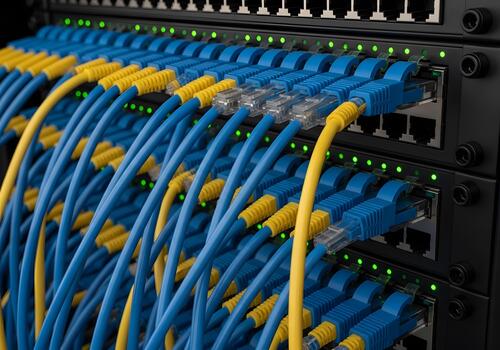
The result is network infrastructure installed with less disruption and fewer late changes. Clear daily communication, protected work zones, and documented testing give facilities teams a clean handoff: an organized cabling system that staff can rely on and technicians can service without unnecessary guesswork.
Network Cabling Questions and a Redondo Beach Site Visit
A conversation with a network cabling company in Redondo Beach, CA should start with the building itself: its age, layout, wall access, equipment rooms, tenant needs, and plans for growth. A brief phone call can establish scope, yet a site survey gives the installer a far clearer view of what the work will involve. During a visit, the team can trace likely cable pathways, inspect existing conduits and racks, measure runs, identify firestopping needs, and flag access issues before crews arrive.
Bring practical questions to the walk-through. Which categories of cable suit current devices and anticipated bandwidth? Where should wireless access points, cameras, workstations, and network closets sit? Can old runs be documented, tested, or removed? Ask how labeling, testing records, patch panels, and after-hours work will be handled. The strongest structured cabling services turn these details into a clean installation plan rather than a vague estimate. For offices, retail spaces, medical suites, and coastal properties across Redondo Beach, well-planned network cabling supports dependable day-to-day operations and leaves room for future changes. Clear drawings and a written scope help compare cabling solutions on workmanship, materials, schedule, and long-term service, not price alone.