
Key takeaways
- Structured cabling supports reliable data, voice, Wi-Fi, cameras, access control, and collaboration systems.
- Plan cable pathways, racks, ports, and equipment rooms around current needs and future expansion.
- Use fiber for long-distance, high-capacity backbones; use copper for many device-level connections.
- Label, terminate, test, and document every run for simpler troubleshooting, moves, and maintenance.
- Site surveys identify pathway limits, firestopping, code requirements, and occupied-space scheduling needs.
- Commercial structured cabling differs from garage door cable repair and requires specialized technicians.
Network Cabling Company Alondra Park CA for Commercial Facilities
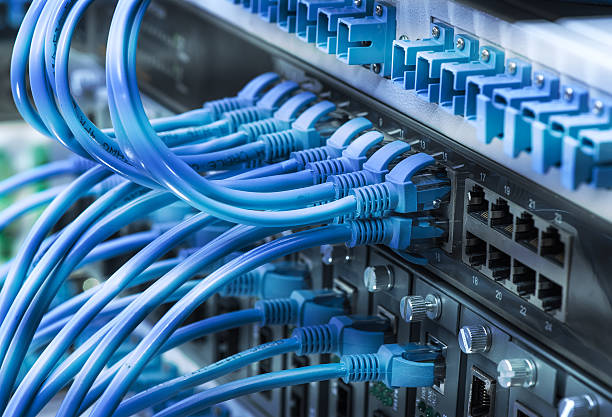
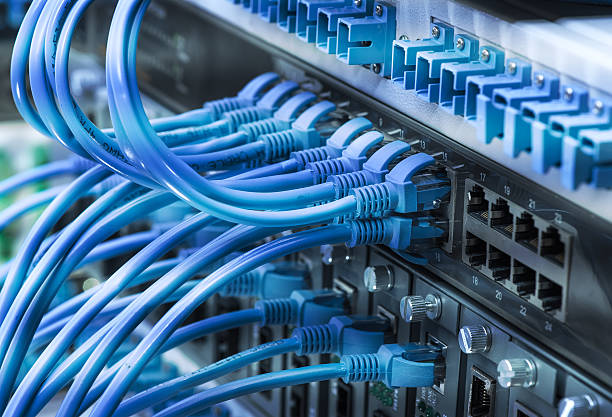
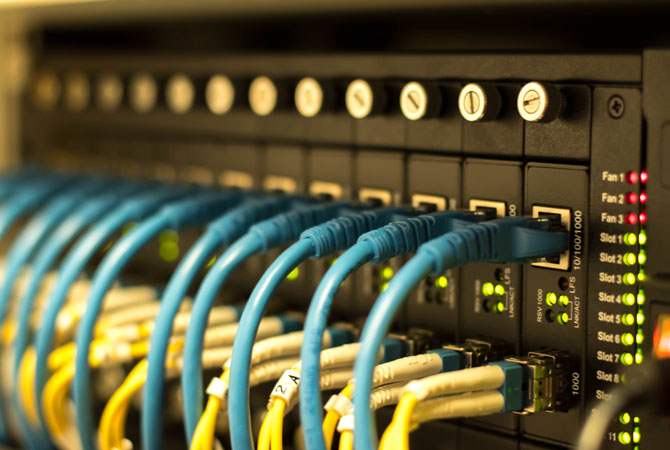
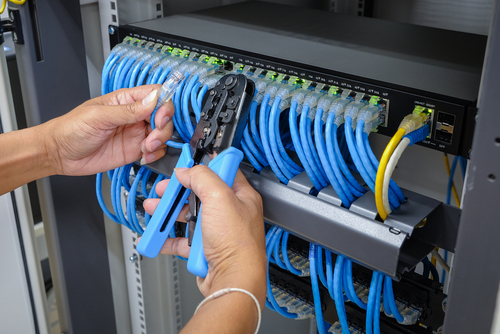
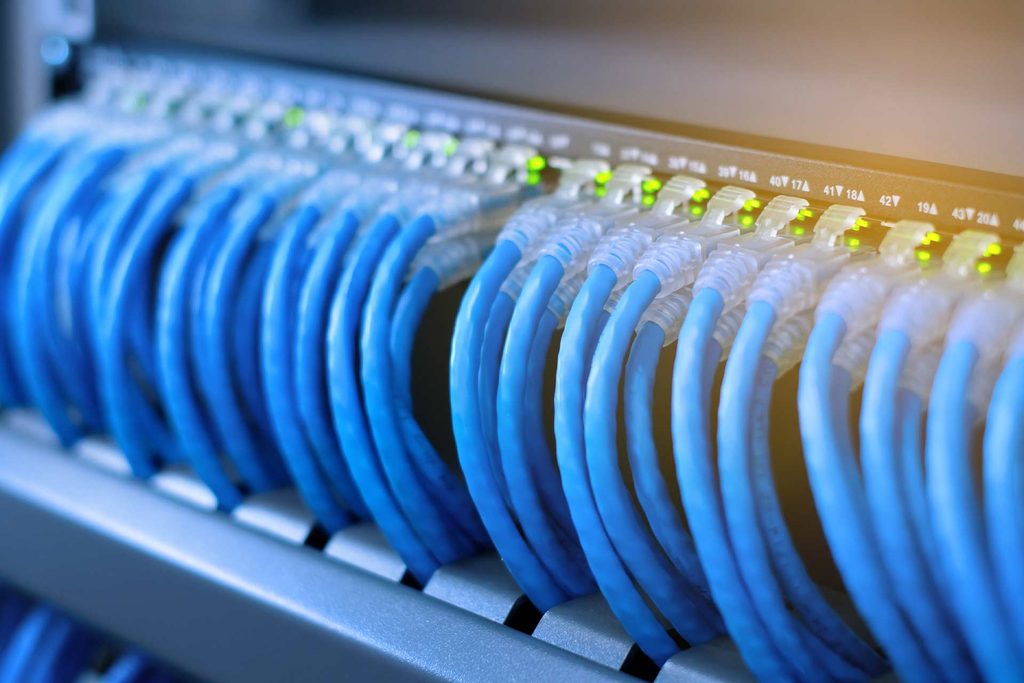
For commercial properties in Alondra Park, the cabling behind the walls has a direct effect on daily work: phone calls, cloud access, point-of-sale systems, security cameras, wireless coverage, and collaboration tools all rely on a sound physical foundation. A qualified network cabling company Alondra Park CA plans that foundation around the building’s layout, current equipment, and room for growth, not a one-size-fits-all material list. Thoughtful network cabling begins with clear cable pathways, labeled terminations, appropriate rack placement, and testing that documents every connection. From a small professional office to a warehouse, medical suite, retail location, or multi-tenant property, commercial network performance starts with disciplined network wiring. Structured ethernet wiring supports dependable device connections and gives IT teams a cleaner way to identify, service, or modify runs later. Well-executed data cabling services can include Cat6 or fiber installation, patch panels, wall jacks, cable management, equipment-room buildouts, and moves or additions during a remodel.

Cabling Services for Builds, Upgrades and Tenant Improvements
Thoughtful cabling services give a new build or tenant improvement a cleaner starting point and fewer compromises later. From cabling installation layouts to labeled parts and tested cable runs, each project benefits from a structured cabling plan that fits the space, the installation schedule, and the systems people rely on every day.
Network Cabling and Fiber Optic Planning for Capacity and Speeds
Network cabling should be planned around actual use, not just the nearest open wall or ceiling path. A well-designed structured system accounts for workstations, wireless access points, cameras, conference rooms, point-of-sale devices, and the equipment room that ties them together. That early planning keeps pathways orderly and makes future moves less disruptive.
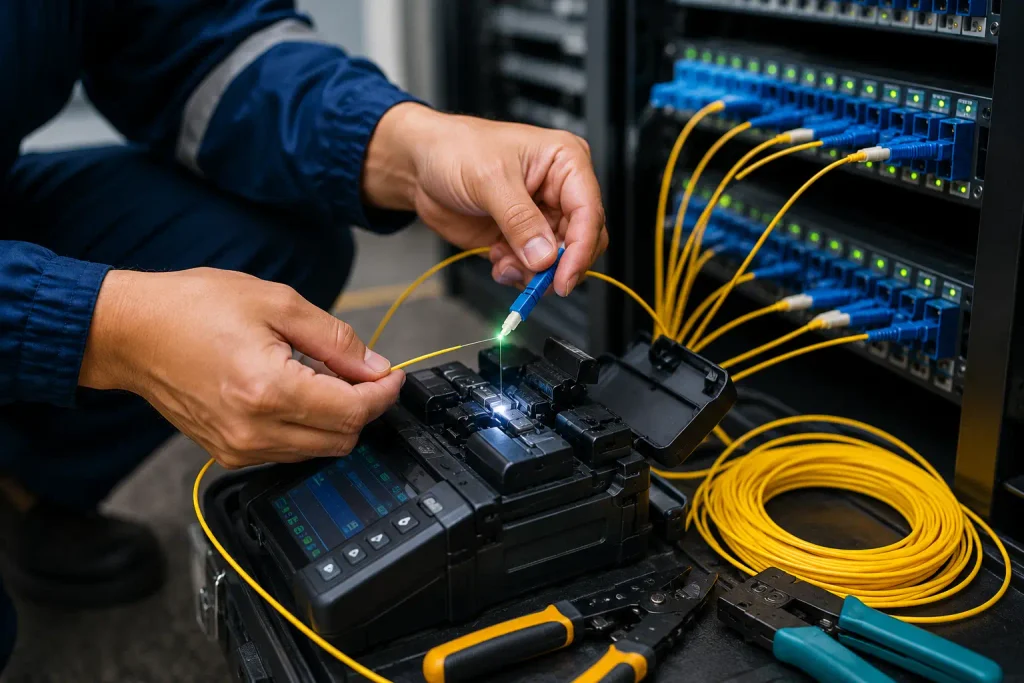
Fiber optic backbones are often the right choice between floors, buildings, or high-demand network closets. Fiber carries data over longer distances with strong resistance to electrical interference, giving busy facilities room for greater capacity and faster speeds. Copper still has an important place at the device level; the right mix depends on run length, power needs, port density, and the applications carried across the network.
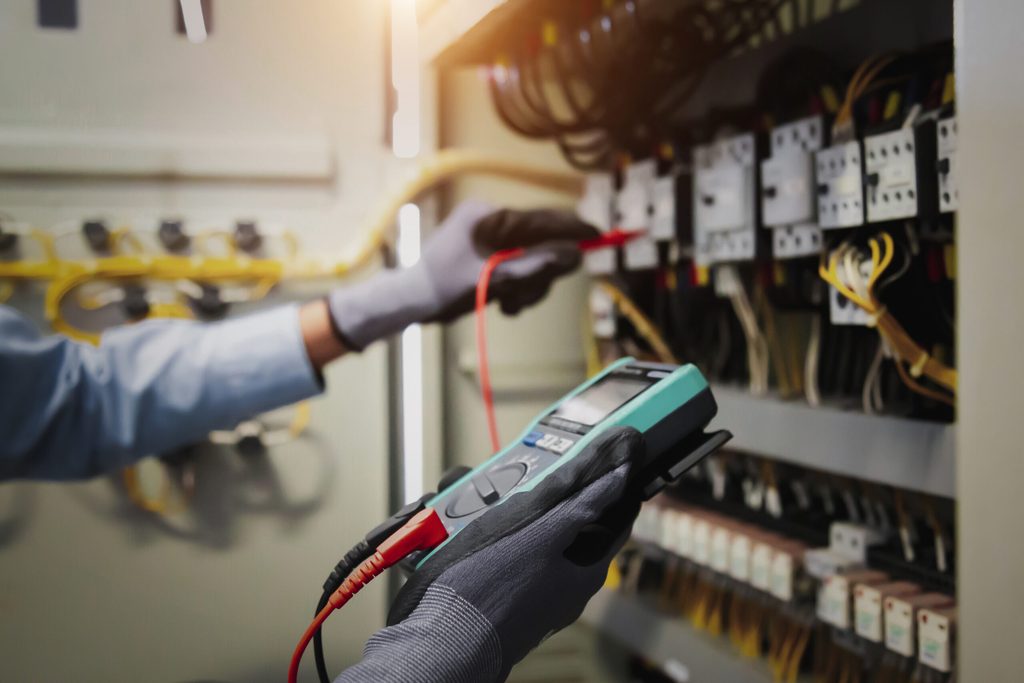
Every run should be terminated, labeled, and tested for the intended signal standard. Clear documentation gives your IT team a usable record of ports, pathways, and equipment connections long after construction crews have left the site.
Signal Solutions for Connected Systems, Not Garage Door Cable Repair
Signal solutions cover the low-voltage connections that keep a commercial property communicating: data, voice, Wi-Fi, cameras, audiovisual systems, and controlled-entry hardware. Our cabling services focus on these building systems, with clean routing, appropriate terminations, and testing that confirms each cable supports its intended device.
That scope is different from garage door cable repair. A broken overhead-door spring cable, lifting cable, drum, or track calls for a qualified garage door technician, not a structured cabling crew. Separating those trades protects the equipment and gets the correct service to the problem.
For facilities, access cabling is planned around the door controller, reader, request-to-exit device, lock hardware, and network connection. Routes must suit the opening, wall construction, power requirements, and local code expectations. The result is a signal path that supports security systems without treating every wire near a door as the same type of work.
Signal Cabling Scope Guide
- Use structured cabling for data, voice, Wi-Fi, cameras, audiovisual equipment, and controlled-entry devices.
- Plan access-control routes around controllers, readers, request-to-exit devices, locks, power, and network connections.
- Match cable pathways to door openings, wall construction, device locations, and local code requirements.
- Use clean routing and proper terminations to support dependable device communication.
- Test every installed cable against its intended device and system function.
- Call a qualified garage door technician for broken lift cables, springs, drums, tracks, or overhead-door hardware.
Structured Cabling vs. Garage Door Cable Repair
| Service area | Structured cabling scope | Garage door repair scope |
|---|---|---|
| Primary purpose | Low-voltage connections for data, voice, Wi-Fi, cameras, audiovisual systems, controlled entry, and security devices. | Mechanical repair for overhead-door operating components. |
| Door-related work | Access cabling for door controllers, readers, request-to-exit devices, lock hardware, and network connections. | Repair of broken overhead-door spring cables, lifting cables, drums, and tracks. |
| Installation focus | Clean routing, appropriate terminations, and testing for the intended device. | Repair of garage door mechanical equipment. |
| Planning factors | Routes suited to the opening, wall construction, power requirements, and local code expectations. | Work performed by a qualified garage door technician. |
| Correct trade | Structured cabling crew for building-system signal paths. | Qualified garage door technician for door cable and hardware failures. |
MDF, IDF and Equipment Room Cabling Readiness
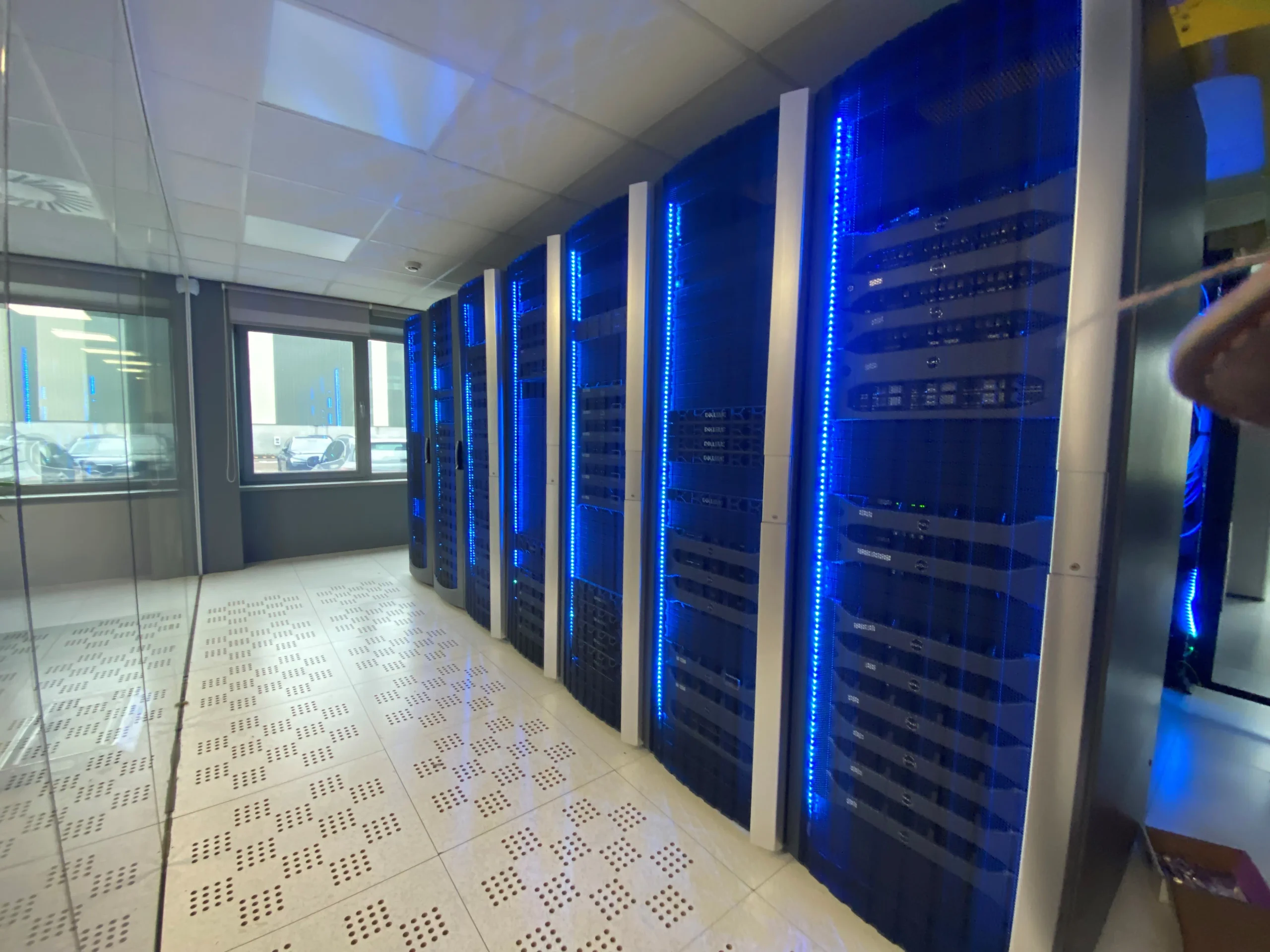
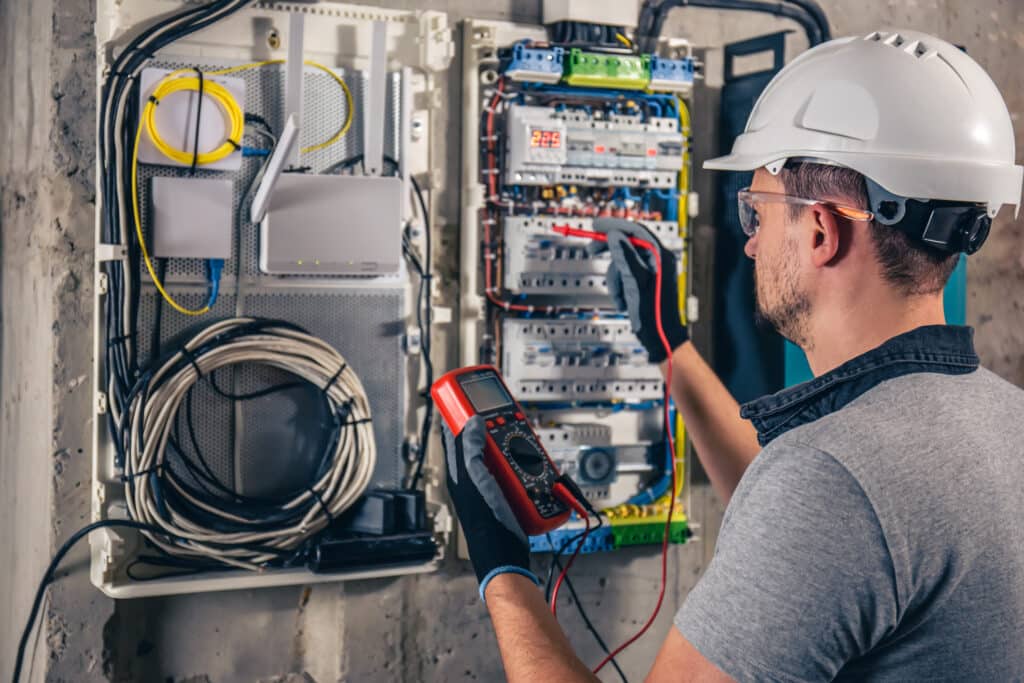
A well-prepared MDF or IDF is the quiet foundation of a dependable network. Before new services, access points, cameras or workstations are connected, the room itself needs to support clean routing, safe access and future capacity. That starts with confirming available rack units, power distribution, grounding, cooling and clear working space around active equipment.
Structured cabling should enter the room through planned pathways rather than improvised gaps above ceilings or beneath doors. Backboards, ladder racks, trays and vertical managers keep each cable supported and separated from power where required. Patch panels need clear labels that match floor plans and port records, so a technician can trace a run without interrupting live connections.
Cable management is more than a tidy finish. Correct bend radius protects copper and fiber performance; measured service loops make moves possible without leaving coils crowded in a rack. For fiber, enclosed routing and dedicated slack storage reduce the risk of pinches, dust exposure and accidental disconnection.
Local building conditions matter. Older commercial spaces may have limited riser pathways, shallow telecom closets or equipment rooms shared with electrical gear. A site review should identify firestopping requirements, water risks, door clearance and any access restrictions before materials arrive. With the physical infrastructure prepared, installation can proceed in an orderly sequence, and the MDF and IDF remain serviceable long after the initial cable pull is complete.
Site Survey, Installation Process and Code Coordination
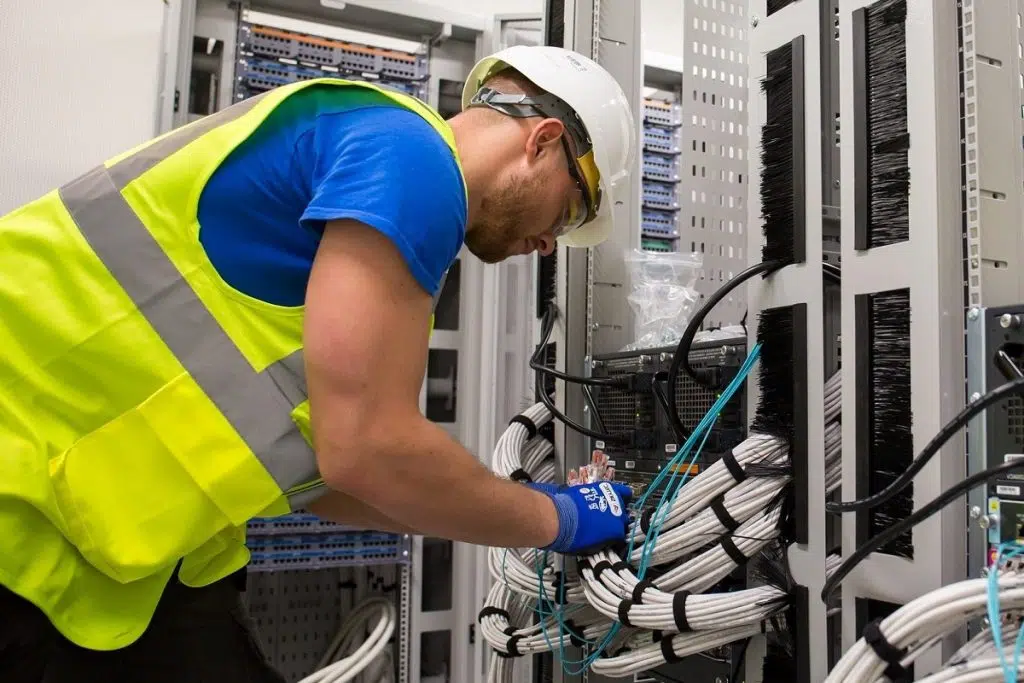
A well-run structured cabling project begins long before cable is pulled. During the site survey, a seasoned cabling contractor walks the property with the owner, facilities contact, and relevant trades to map pathways, telecom rooms, ceiling conditions, penetrations, equipment locations, and points where future access may matter. This early fieldwork reveals the details drawings can miss: crowded risers, fire-rated walls, limited conduit capacity, or a route that interferes with lighting, HVAC, or seismic bracing.
From there, the installation plan should set a clear sequence for network wiring, hardware placement, labeling, testing, and closeout documentation. On an occupied site, the schedule needs to protect daily operations, with contained work areas, clean ceilings, and carefully timed outages. On a new build or tenant improvement, coordination with electricians, low-voltage trades, drywall crews, and inspectors prevents finished surfaces from being opened again.
California’s code environment calls for disciplined cable installation. A contractor should account for plenum ratings, pathway fill, firestopping at every penetration, grounding and bonding requirements, and local jurisdiction rules before crews arrive. Clean cable management is more than a visual preference; properly supported, separated, labeled bundles simplify service calls and leave capacity for growth. The best services conclude with test results, as-built records, and a handoff that gives the client a usable record of what was installed, where it runs, and how the system can be maintained.
Installation Planning Checklist
- Walk the site with owners, facilities staff, and trades to map pathways, telecom rooms, equipment locations, and future access points.
- Check risers, ceiling conditions, conduit capacity, fire-rated walls, and penetrations before installation begins.
- Coordinate cable routes around lighting, HVAC, seismic bracing, electrical work, and finished surfaces.
- Set the work sequence for wiring, hardware placement, labeling, testing, documentation, and client handoff.
- Protect occupied-site operations with contained work areas, clean ceilings, and scheduled outages.
- Verify plenum ratings, pathway fill, firestopping, grounding, bonding, and local California jurisdiction requirements.
- Deliver labeled cables, test results, as-built records, and maintenance-ready system documentation.
What Shapes a Commercial Cabling Project Scope
A commercial cabling project starts with the building itself: its size, age, floor plan, ceiling access, risers, occupied areas, and the condition of existing pathways. A single office suite may need a modest number of workstation drops; a medical facility, school, warehouse, or multi-floor headquarters calls for a far broader plan. The goal is a system that supports daily operations without leaving exposed runs, crowded conduits, or inaccessible service points.
Network demands set the technical direction. Device counts, Wi-Fi access points, phones, cameras, access control, audiovisual systems, printers, and building controls all affect the quantity and location of data cabling. Bandwidth requirements determine whether copper cable, fiber optic links, or a mix of both suits the installation. Fiber often serves backbone connections between telecom rooms or buildings, while structured cabling to individual outlets keeps moves and changes manageable.
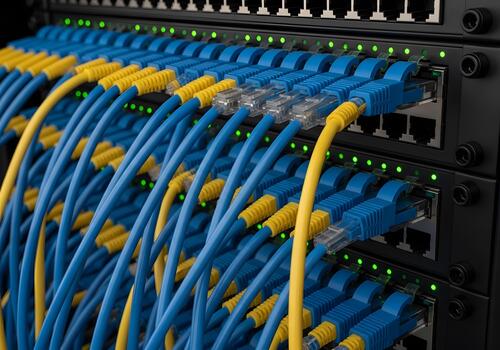
Equipment selection matters just as much. Rack layout, patch panels, switches, UPS units, cabinets, cooling, grounding, and labeling must fit the available space and allow technicians to work safely later. A sound scope identifies telecom room locations, pathway capacity, firestopping needs, testing standards, and documentation before crews begin pulling cable.
Local code requirements and site rules can shape the schedule and price. Work in an occupied property may require evening access, dust control, lift coordination, phased installation, or careful protection of finished spaces. Clear drawings and a detailed walk-through turn those conditions into practical network cabling solutions, giving the finished cabling system room to serve the business long after the project closes.
Commercial Cabling in Alondra Park and Nearby Areas
Businesses in Alondra Park rely on cabling that works quietly, cleanly, and without creating future limits for their teams. A properly planned system supports reliable data traffic, clear voice connections, wireless access points, security cameras, and the equipment that keeps a workplace operating day after day. POP provides structured cabling services for offices, retail locations, medical practices, warehouses, property managers, and growing commercial sites across southern California.
Choosing a network cabling company Alondra Park CA businesses can call for detailed field work matters. Existing buildings often present practical challenges: crowded ceiling spaces, aging pathways, limited access windows, or equipment installed in stages over many years. Our technicians map the site, identify suitable routes, label every run clearly, and build installations that are orderly enough for future maintenance or expansion.
Work in this part of Los Angeles County calls for a local understanding of active commercial properties and tight project schedules. From Alondra Park to nearby South Bay and greater Angeles-area locations, POP coordinates cabling around occupied spaces, tenant improvements, remodels, and new equipment rollouts. The focus is not simply on pulling cable; it is on delivering a dependable physical network foundation that suits the property, the people using it, and the next phase of the business.