
Key takeaways
- Fiber supports higher bandwidth, longer distances, and better resistance to electrical interference than copper.
- Start with a site survey to assess pathways, distances, equipment locations, firestopping, and future expansion needs.
- Plan backbone and access cabling separately to keep networks organized, serviceable, and scalable.
- Require labeled terminations, performance testing, and closeout documentation tied to every cable ID.
- Verify Carson permitting requirements and confirm contractor CSLB licensing, insurance, bonds, and applicable certifications.
Fiber Optic Cabling Contractor in Carson, CA
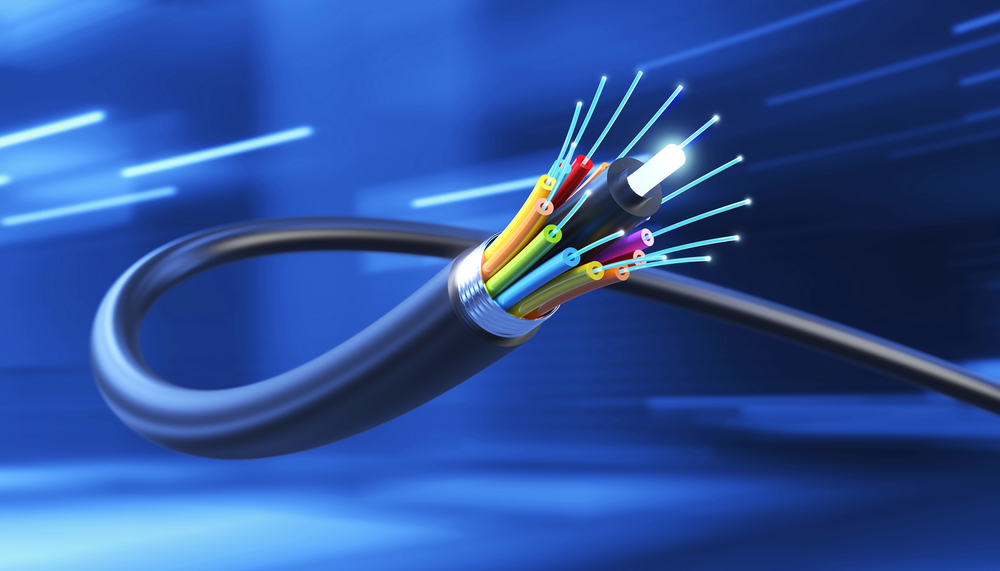
Carson businesses, public agencies, and property owners need network systems built for real operating conditions: active warehouses, multi-tenant offices, production floors, schools, and municipal facilities. A qualified fiber optic cabling contractor in Carson, CA plans each cabling installation around the building’s layout, pathway capacity, equipment locations, and future service demands, not just the nearest route between two closets. Fiber optic cabling provides the bandwidth and distance performance that copper cannot match across large industrial spaces, campus properties, and links between buildings. The work starts with a clear review of the existing infrastructure, then moves through route design, proper cable selection, termination, labeling, testing, and documentation. That disciplined approach protects connectivity for day-to-day operations and makes later repairs or expansions far less disruptive. Carson sits within the larger Los Angeles County commercial corridor, where distribution, manufacturing, municipal, and public-sector facilities often rely on dependable internal networks. Whether the project serves one suite or a city-scale site, the right cabling contractor installs fiber with clean pathways, protected bends, tested endpoints, and records your IT team can use long after construction ends.




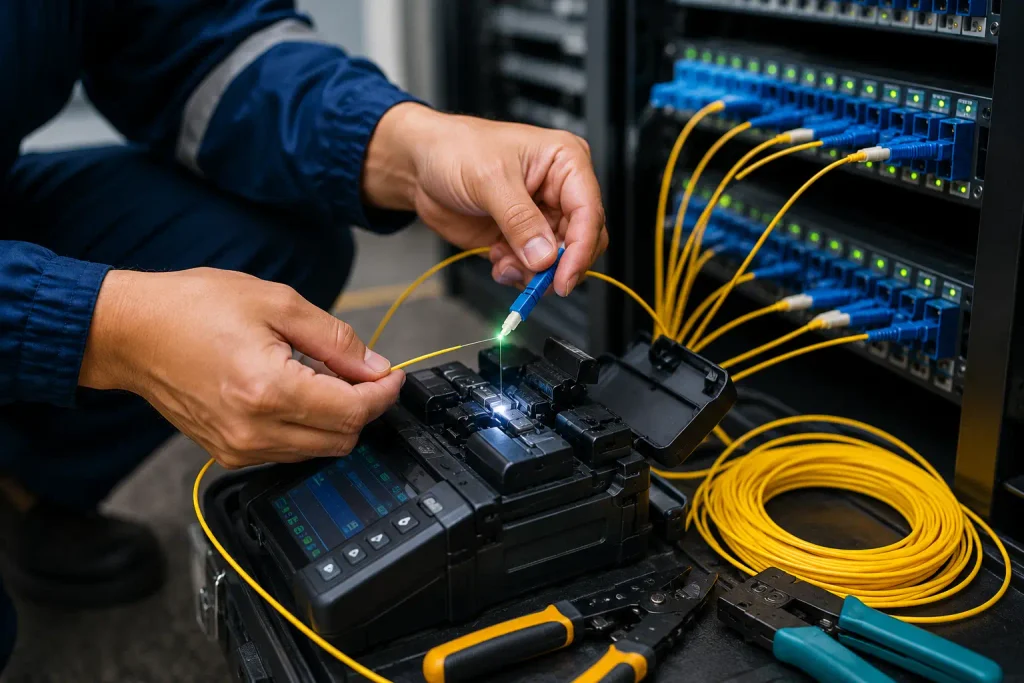

Alliance Cabling Inc.: Low Voltage and Commercial Cabling Services
Alliance Cabling Inc. provides low voltage and commercial cabling services for organizations that need dependable communications infrastructure. From planning through installation and ongoing support, the team aligns cabling systems with the demands of each building, helping its network remain orderly, serviceable, and ready for daily use and future growth over time.
Network Cabling and Structured Cabling for Facility Networks
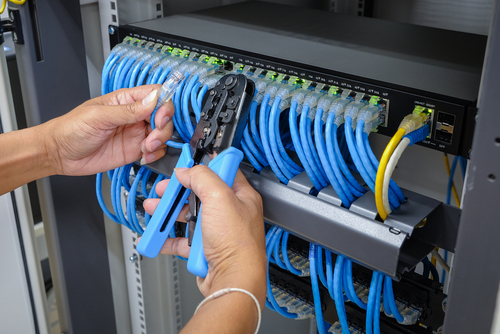
Well-planned network cabling gives a facility a clear physical foundation for data, voice, wireless access points, security devices, and connected equipment. Alliance Cabling Inc. designs structured cabling around the building’s layout, equipment rooms, work areas, pathways, and anticipated occupancy. The aim is a clean installation that technicians can trace, label, and service without disrupting the rest of the site.
For offices, schools, medical spaces, warehouses, and multi-tenant properties, the right cable category and pathway design matter as much as the number of outlets. A structured cabling plan can accommodate present connections while leaving practical room for moves and new equipment. Where distance, bandwidth, or building-to-building links call for it, a fiber network can carry traffic between distribution points with a layout suited to the property’s operating needs.
Fiber Backbone and Access Cabling Connections
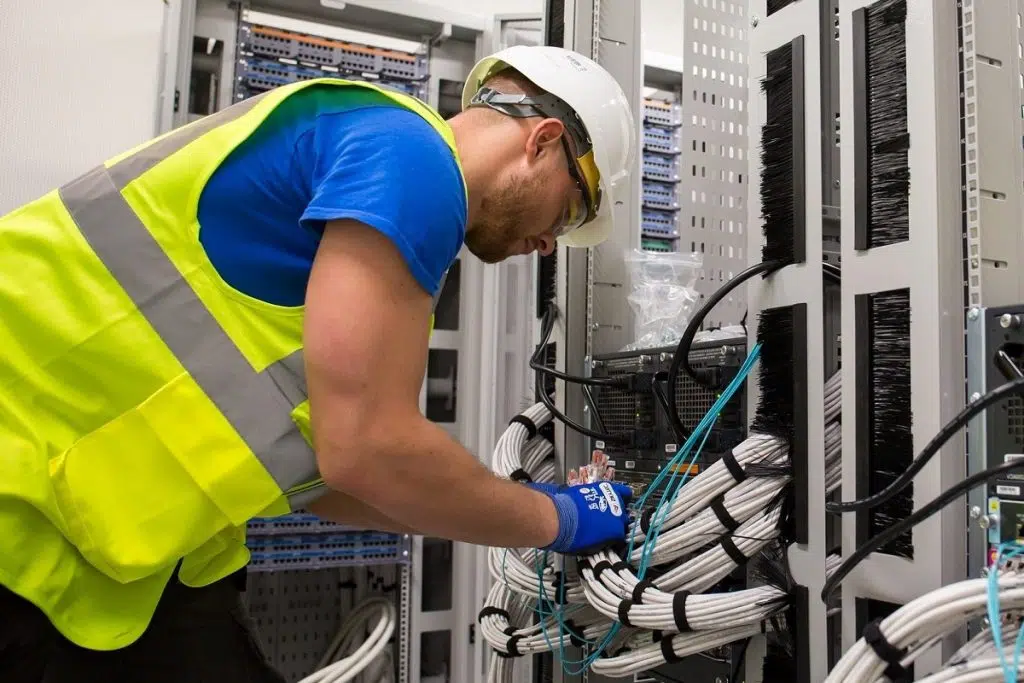
Fiber backbone work connects the parts of a property that need fast, stable communication: main equipment rooms, telecom closets, separate floors, and nearby buildings. Alliance Cabling Inc. plans routes that account for distance, pathway conditions, termination locations, and access for later service. Proper routing and identification make cabling easier to follow when equipment is replaced or a site expands.
At the user end, access cabling carries the connection from the network room to desks, phones, cameras, wireless points, and specialized devices. The installation calls for careful placement, labeled terminations, and respect for occupied spaces. Fiber optic links may serve backbone runs, high-capacity equipment connections, or locations where copper cable length is limited. Matching each run to its role helps owners avoid a patchwork system that becomes difficult to maintain after routine changes.
Fiber Cabling Planning Checklist
- Map backbone paths between equipment rooms, telecom closets, floors, and nearby buildings.
- Review distance, conduit condition, available pathways, and future service access before installation.
- Select fiber links for long runs, high-capacity equipment connections, and areas beyond copper distance limits.
- Place access cabling carefully for desks, phones, cameras, wireless points, and specialized devices.
- Label every cable, termination, and pathway for faster moves, repairs, and equipment replacement.
- Keep work areas orderly and limit disruption within occupied offices, classrooms, or shared spaces.
- Match cable type and termination method to each run’s intended network role.
Signs Your Carson Facility May Need Fiber Cabling
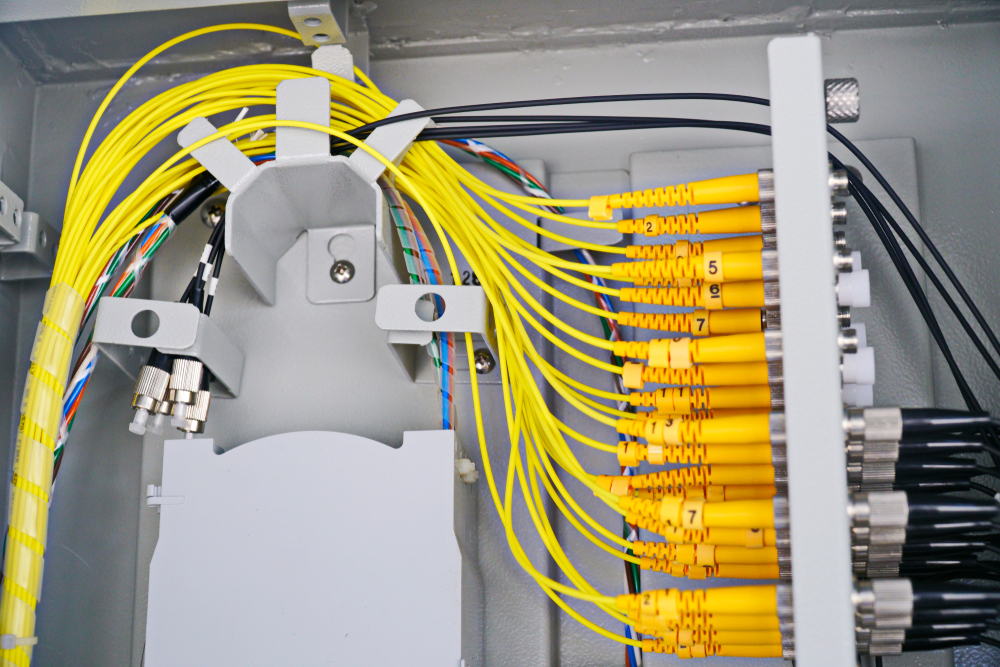
Slow file transfers and dropped video calls are often the first signs that a facility’s network has outgrown its wiring. In Carson, this issue appears in offices, warehouses, medical sites, retail properties, and industrial operations where cloud platforms, security cameras, access control, phones, and production equipment share the same connection. Copper runs that once handled daily traffic can become a bottleneck as connected systems multiply.
Watch for recurring trouble during busy shifts: applications lag, cameras lose clarity, point-of-sale terminals pause, or teams report weak connectivity in distant rooms. Temporary fixes such as extra switches, exposed patch cords, and repeated service calls may keep work moving, yet they can mask a cabling problem. Fiber supports higher bandwidth over longer distances and is less affected by electrical interference, an advantage near motors, machinery, and large equipment. A review of your commercial cabling is warranted before expansion, tenant improvements, new surveillance coverage, or a move to cloud-managed tools places further demands on the network. The right fiber design accounts for current loads, building pathways, equipment rooms, and room for future growth.
Fiber cabling warning signs
- File transfers slow down during busy shifts or cloud applications take longer to load.
- Video calls drop, freeze, or lose audio in offices, warehouses, and distant rooms.
- Security cameras show poor image quality, delayed feeds, or frequent connection losses.
- Point-of-sale terminals pause or access-control systems respond slowly during peak activity.
- Extra switches, exposed patch cords, and repeated repair visits have become routine.
- Network runs pass near motors, machinery, or equipment that creates electrical interference.
- Planned expansion, tenant work, surveillance additions, or cloud tools will add network demand.
Planning a Fiber Cabling Project, From Site Survey to Scope
A well-planned fiber cabling project starts on the floor, not on a drawing. A detailed site survey records pathways, ceiling access, risers, electrical rooms, existing conduits, firestopping, equipment locations, and the practical realities of each site. It gives the project team a clear view of what the network needs now and where growth may place new demands on the infrastructure.
The survey should trace the full route from the main distribution point to every intended endpoint. Measure distances, flag bends and congested pathways, identify areas requiring new tray or innerduct, and confirm that building access rules will support the proposed work. Photographs, marked floor plans, and notes from facilities staff prevent costly assumptions once installation begins.
From there, turn field findings into a defined scope: fiber count and type, termination hardware, enclosure locations, labeling standards, testing requirements, and restoration work. Leave room for spare capacity where it makes sense, particularly in backbone routes that are difficult to revisit. The best plans pair a clean cabling design with practical support for future moves, additions, and repairs.
Fiber Cabling Project Planning Checklist
| Planning area | What to document or confirm | Why it affects the scope |
| Pathways and access | Pathways, ceiling access, risers, existing conduits, congested areas, and building access rules | Identifies where new tray or innerduct is needed and whether proposed work can proceed under site rules. |
| Route survey | Full route from the main distribution point to each endpoint, including distances and bends | Defines cable runs and flags route conditions that affect installation work. |
| Electrical rooms and equipment locations | Electrical rooms, equipment locations, termination points, and enclosure locations | Sets the locations for fiber termination hardware and enclosures. |
| Firestopping | Existing firestopping along proposed cable pathways | Establishes firestopping work that must be included in the project scope. |
| Fiber design and capacity | Fiber count, fiber type, current network needs, future growth, and spare capacity for difficult backbone routes | Determines the cabling design and capacity reserved for future moves, additions, and repairs. |
| Documentation | Photographs, marked floor plans, and notes from facilities staff | Records field conditions and reduces assumptions during installation. |
| Labeling and testing | Labeling standards and testing requirements | Places identification and test work in the defined scope. |
| Restoration work | Areas affected by installation that require restoration | Includes restoration requirements before installation begins. |
Areas That We Serve
Carson Permits, Inspections and California Contractor Requirements
Carson projects sit under City of Carson building oversight and Los Angeles County rules where county facilities, utilities, or public right-of-way work is involved. Permit needs turn on the system, location, pathway, power source, and whether work affects fire-rated assemblies, structural elements, or life-safety equipment. A simple interior data drop may receive different treatment from a new telecom room, exterior conduit run, access-control system, or fire alarm connection.
For low voltage installation, ask the city’s Building and Safety staff about plan submittal, required inspections, and any separate fire review before work begins. Field inspectors commonly look for listed materials, proper support and separation, penetrations sealed to preserve fire ratings, accessible junctions, and labeling that matches approved drawings. Work in a public sidewalk, street, or easement can call for encroachment approval and traffic-control requirements.
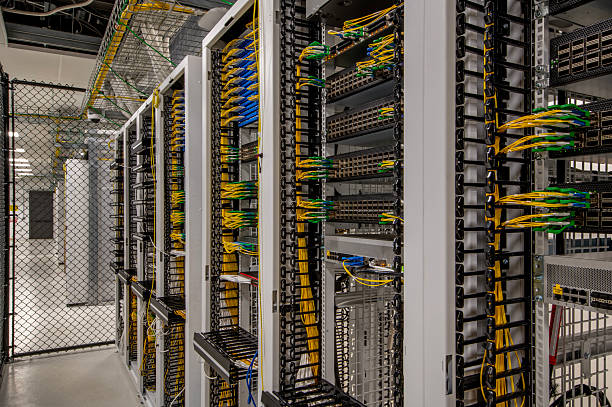
California contractor rules matter too. A cabling contractor should hold the license classification suited to the scope, often a C-7 Low Voltage Systems license, with other classifications needed for higher-voltage or related trades. Check the contractor’s CSLB license status, workers’ compensation record, bond information, and any manufacturer certification requested for a warranty-backed cabling system. Keep permits, inspection sign-offs, test results, and closeout records with the property file.
Installation, Testing and Project Documentation
Reliable cabling installation is built on disciplined preparation, careful routing and clear records, not a hurried final pull of cable. For local offices, retail sites, schools and multi-unit properties, the work starts with a site review: pathways, risers, power separation, fire-stopping requirements and the practical realities of future access. Structured cabling should be installed with the same attention whether it serves a handful of desks or a building-wide network.
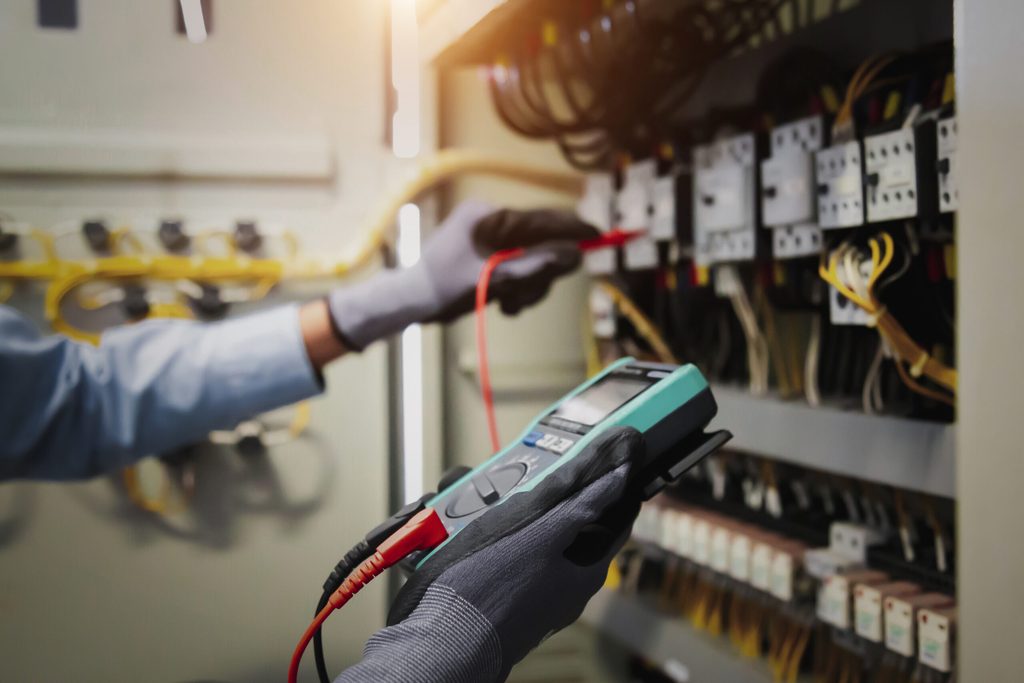
Each copper run and fiber optic link needs proper handling, termination and labeling at both ends. Fiber demands particular care around bend radius, pulling tension, connector cleanliness and enclosure management; small mistakes can create faults that are hard to trace after ceilings close. Testing then verifies that the installed systems meet the stated performance standard, with results tied to cable IDs rather than vague pass/fail notes.
Project documentation gives owners and IT teams a usable record long after handover. A good closeout package includes outlet and rack labels, pathway notes, test reports, floor plans, product data and warranty details. Where certification is required, records should match the manufacturer’s rules and remain easy to retrieve for moves, repairs and support calls. That level of order makes later changes less disruptive and gives every technician a clear starting point.
Questions to Ask Before Hiring a Cabling Contractor
The right cabling contractor should do more than pull wire and leave. Start by asking whether they have completed projects similar to yours: an office refresh, warehouse buildout, medical suite, retail location, or multi-floor tenant improvement each brings different access, scheduling, safety, and documentation demands. Ask how they design commercial cabling around present device counts and likely growth over the next several years. A sound answer should cover pathways, rack space, labeling, testing, copper or fiber choices, and separation from electrical lines. For network cabling, request details on certification testing: which standards they test against, what reports you receive, and who reviews failed links before closeout. Ask who will manage the job on site, whether subcontractors are involved, and how changes are priced once walls are open. References matter, but recent local references are more useful than a polished project list. Finally, clarify post-installation support. Find out the warranty length, response process for a bad connection or damaged run, and whether the contractor can return for moves, additions, and troubleshooting. Clear answers before work starts usually lead to a cleaner installation and fewer surprises at turnover.