
Key takeaways
- Alliance Cabling provides structured copper, fiber, and low-voltage cabling for Gardena commercial properties.
- Site planning considers equipment locations, pathways, growth needs, building constraints, and daily operations.
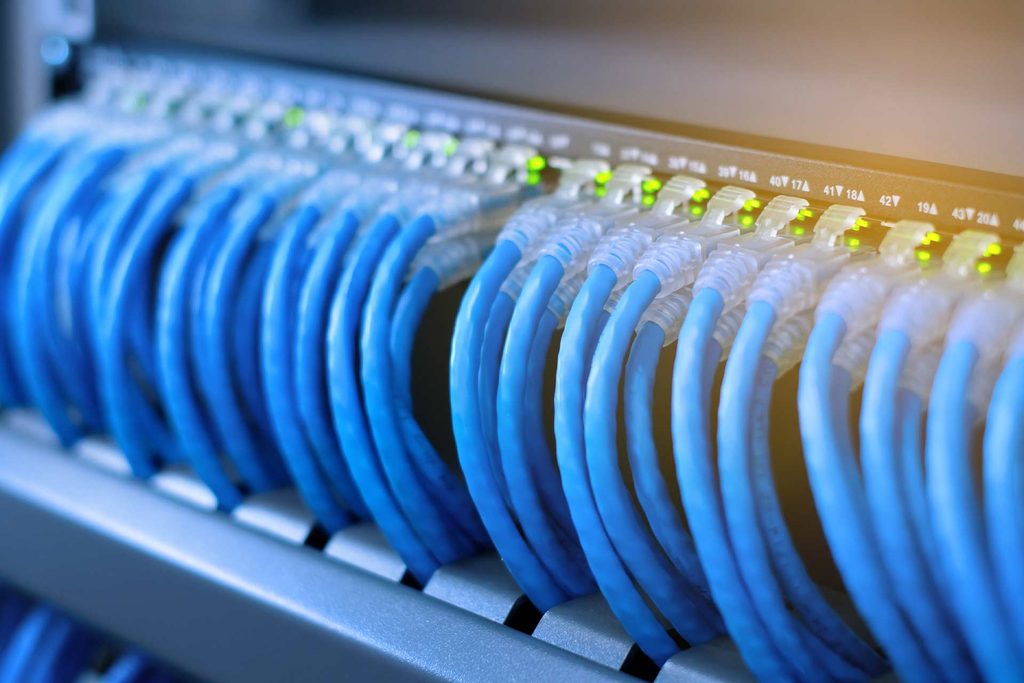
- Organized racks, labeling, patch panels, and documentation simplify future maintenance, moves, repairs, and upgrades.
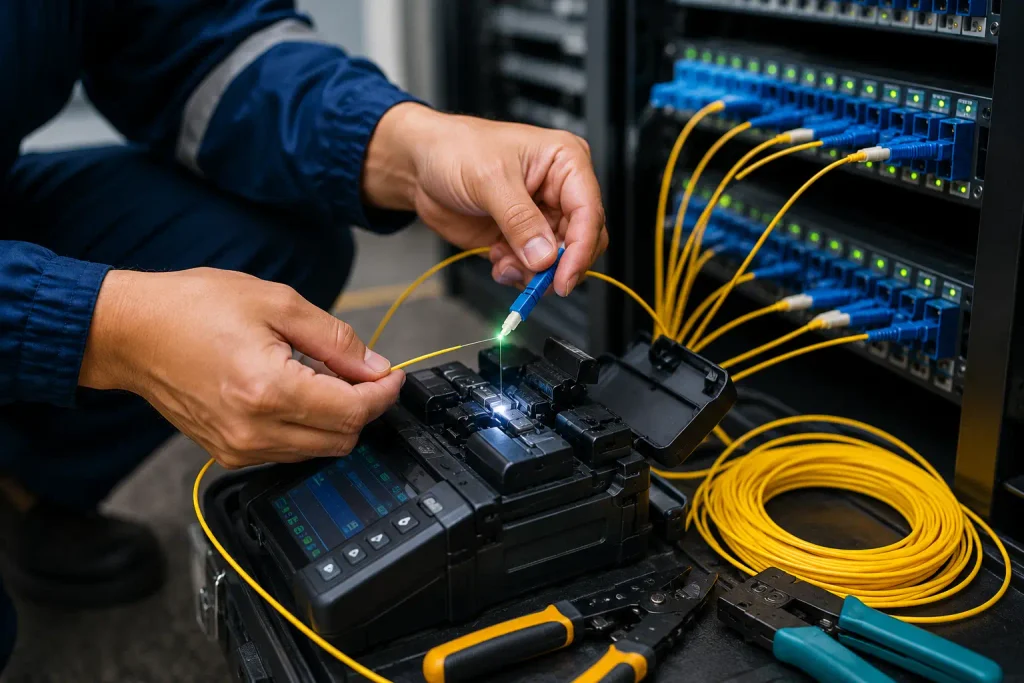
- Fiber suits high-bandwidth backbones and long distances; copper supports desks, access points, and powered devices.
- Certified testing and closeout records verify performance before service and provide a reliable network baseline.
- Installations can often be phased around business operations to minimize disruption during upgrades or buildouts.
Network Cabling Company Gardena CA, Alliance Cabling Inc
Businesses in Gardena rely on their cabling infrastructure every day, whether staff are processing orders, handling calls, moving files, monitoring security cameras, or connecting guests to Wi-Fi. A well-planned system keeps those activities dependable and leaves room for changes in staffing, equipment, and workspace layout. Alliance Cabling Inc provides network cabling services shaped around the practical needs of offices, warehouses, retail sites, medical practices, and other commercial properties throughout Gardena and Los Angeles County. The work begins with a clear view of how the site operates: where equipment lives, which areas need connectivity, what pathways are available, and how future additions may affect the installation. From there, the right cabling routes, labeling standards, rack organization, and termination methods can be selected for a clean, serviceable result. As a local cabling contractor, Alliance Cabling Inc handles structured copper and fiber work with attention to the details that matter after installation: orderly cable management, accessible patch panels, tested connections, and documentation that makes later service less disruptive.



Structured Cabling and Low Voltage Cabling Services
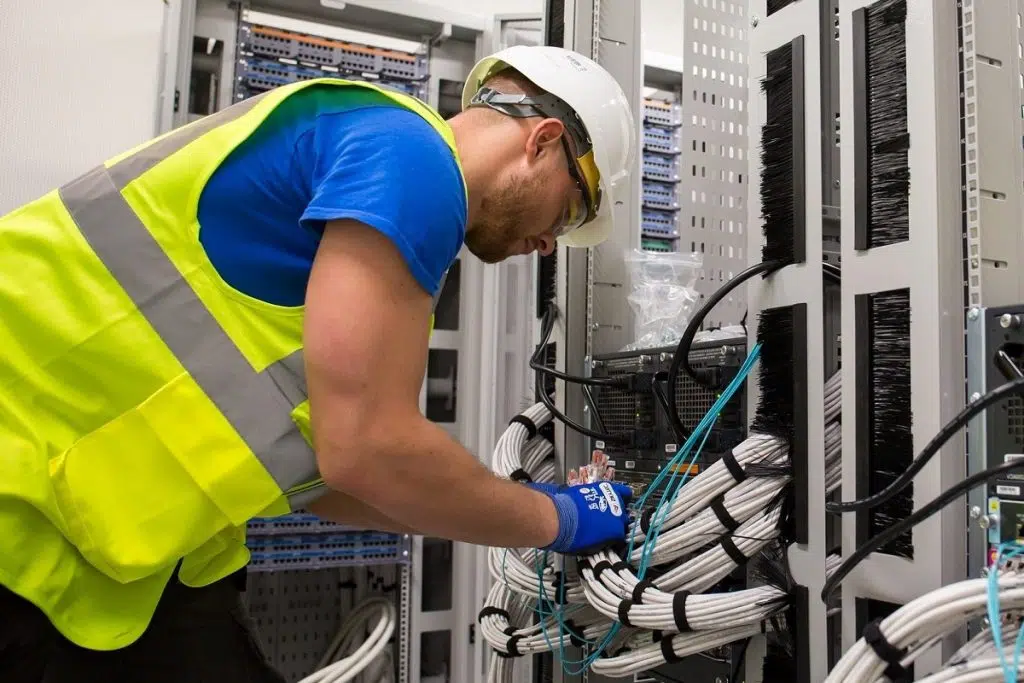
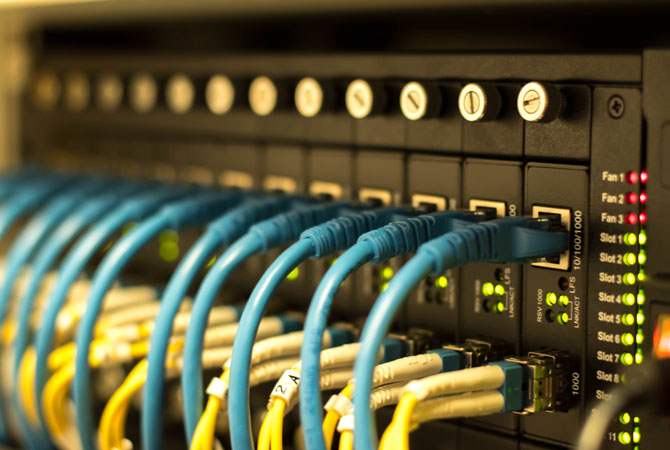
Reliable technology starts behind the walls, above the ceilings, and inside the network rack. Our structured cabling services bring order to the systems that carry your data, voice, access control, cameras, alarms, and Wi-Fi throughout a property. From a single office suite to a multi-floor commercial buildout, we plan cable routes that are clean, serviceable, and suited to the way your team uses the space.
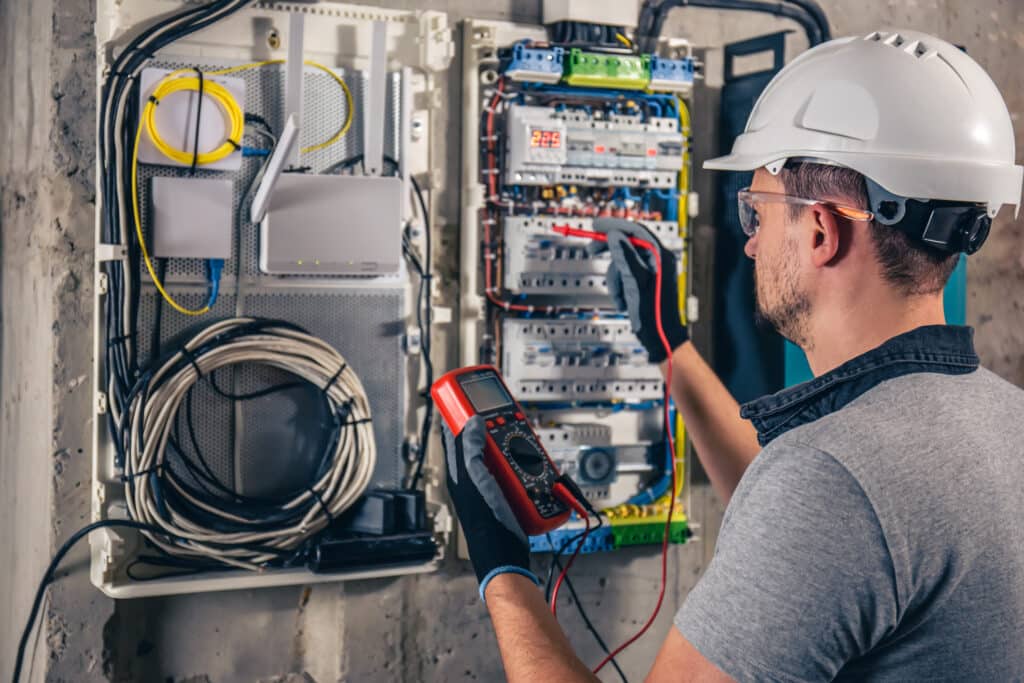
Low voltage work calls for more than pulling wire from point A to point B. Cable category, pathway capacity, termination quality, labeling, grounding, and rack layout all affect day-to-day performance. A well-executed cabling installation makes future moves and equipment changes far less disruptive, giving your IT staff or service provider a clear, organized system to work with.
Our team handles new installations, additions, cleanup of crowded telecom rooms, and repair work for damaged or unreliable runs. We can evaluate existing cabling before an office expansion, equipment upgrade, tenant turnover, or security project, identifying what can remain in service and where replacement makes better sense. That practical approach helps avoid spending on cable that does not need to be replaced while addressing weak links that cause recurring issues.
We coordinate with general contractors, electricians, IT teams, and security providers to keep low voltage scopes aligned with the broader build schedule. Whether the project involves network drops, fiber, paging, surveillance, door access, or structured cabling for a new facility, the goal remains straightforward: a neat, tested infrastructure that supports the building long after construction crews have left.
Structured Cabling Project Checklist
- Map cable routes around walls, ceilings, pathways, and equipment locations before installation begins.
- Select cable categories and fiber types that match current network demands and planned equipment.
- Allow pathway and rack capacity for future drops, devices, tenant changes, and office growth.
- Use clean terminations, proper grounding, and labeled connections for faster service and fault tracing.
- Test every installed run and document results before systems are placed into daily use.
- Review existing cabling before expansions, security upgrades, or turnover work to identify reusable runs.
- Coordinate low-voltage work with contractors, electricians, IT teams, and security providers during construction.
Commercial Network and Network Infrastructure Planning
A commercial network starts with a clear reading of how a site works day to day: where staff sit, where customers connect, which systems carry payments or stock data, and where growth is likely to occur. For local businesses, the best plan is rarely the one with the longest equipment list. It is the one that gives every part of the premises dependable coverage, sensible capacity and straightforward access for maintenance.
Map the physical route before choosing hardware. Older buildings may have thick walls, limited riser space, heritage restrictions or awkward tenancy boundaries. Newer offices can still present challenges around ceiling voids, power provision and shared comms rooms. A fiber optic backbone often makes sense between floors, separate units or distant buildings, carrying high volumes of traffic without the limitations associated with long copper runs. From there, switches, wireless access points, firewalls and cabling can be sized around actual use rather than a generic package.
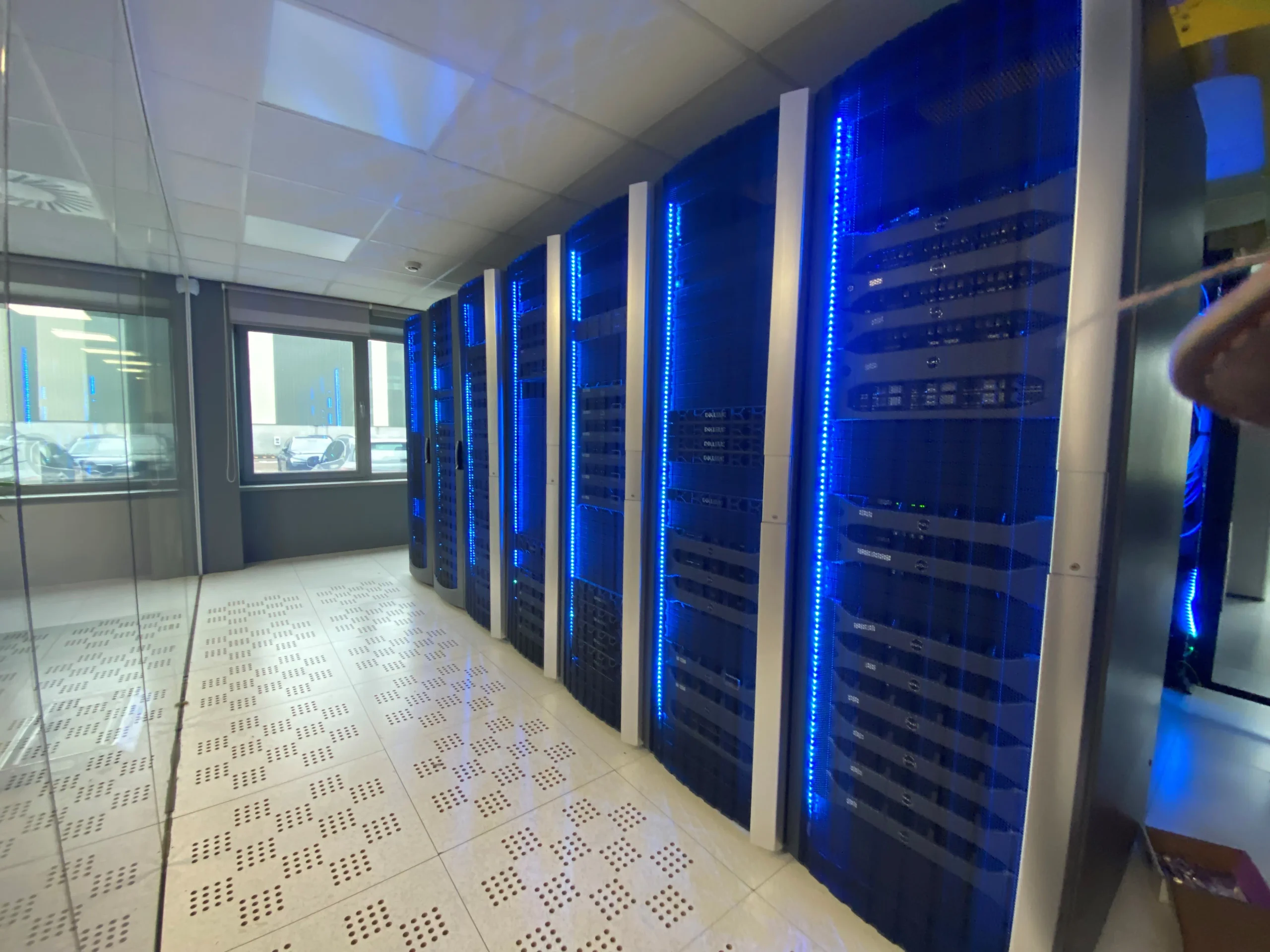
Good network infrastructure planning leaves room for change. Spare ports, labelled patch panels, protected cable routes and rack space can save disruptive work when a team expands or a tenant adds new services. Choose equipment that suits the site’s support arrangements and can be monitored without specialist effort. A consistent standard for cabling, naming, security settings and documentation gives future contractors a clean starting point, reducing downtime when faults or upgrades arise. The finished commercial network should feel invisible to its users: quick at busy periods, stable across the premises and ready for the next practical change.
Commercial Network Infrastructure Planning Checklist
| Planning area | What to assess | Why it matters |
|---|---|---|
| Site layout and daily use | Staff locations, customer connection points, payment or stock systems, and likely growth areas. | Supports coverage and capacity based on how the premises operate. |
| Physical routes | Wall construction, riser space, heritage restrictions, tenancy boundaries, ceiling voids, power, and shared comms rooms. | Helps identify practical routes before hardware is selected. |
| Backbone routes | Connections between floors, separate units, or distant buildings; consider fibre optic backbone links where needed. | Fibre can carry high traffic volumes without the limits of long copper runs. |
| Wireless coverage | Coverage across all parts of the premises and access-point placement. | Provides dependable connections for staff and customers across the site. |
| Capacity and equipment sizing | Actual use of switches, wireless access points, firewalls, and cabling. | Avoids selecting a generic package that does not match site demand. |
| Maintenance access | Equipment suited to support arrangements and monitoring that does not require specialist effort. | Helps staff or contractors find and address faults with less downtime. |
| Future expansion | Spare ports, labelled patch panels, protected cable routes, and rack space. | Reduces disruptive work when teams grow or tenants add services. |
| Standards and documentation | Consistent cabling, naming, security settings, and documentation. | Gives future contractors a clear starting point for upgrades and fault work. |
Gardena Cabling Installation, Testing and Project Closeout
A well-built structured cabling system should disappear into the background: workstations connect cleanly, wireless access points hold their signal, phones stay online, and the equipment room remains orderly enough for future service. That outcome starts with disciplined cabling installation, from pathway planning and cable routing to labeling, termination, grounding, and clean rack presentation. For Gardena offices, warehouses, retail locations, medical suites, and multi-tenant properties, the right approach accounts for the building’s layout, operating hours, existing conditions, and plans for growth.
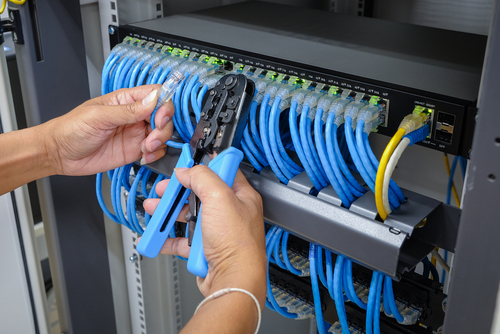
Low voltage work demands more than pulling cable from one point to another. Copper and fiber runs need proper bend radius, separation from electrical sources, secure pathway support, and terminations matched to the selected hardware. Each outlet, patch panel, and fiber enclosure should be labeled in a clear, usable format so facilities teams can trace a connection without guesswork. Careful workmanship protects both day-one performance and the serviceability of the network infrastructure years later.
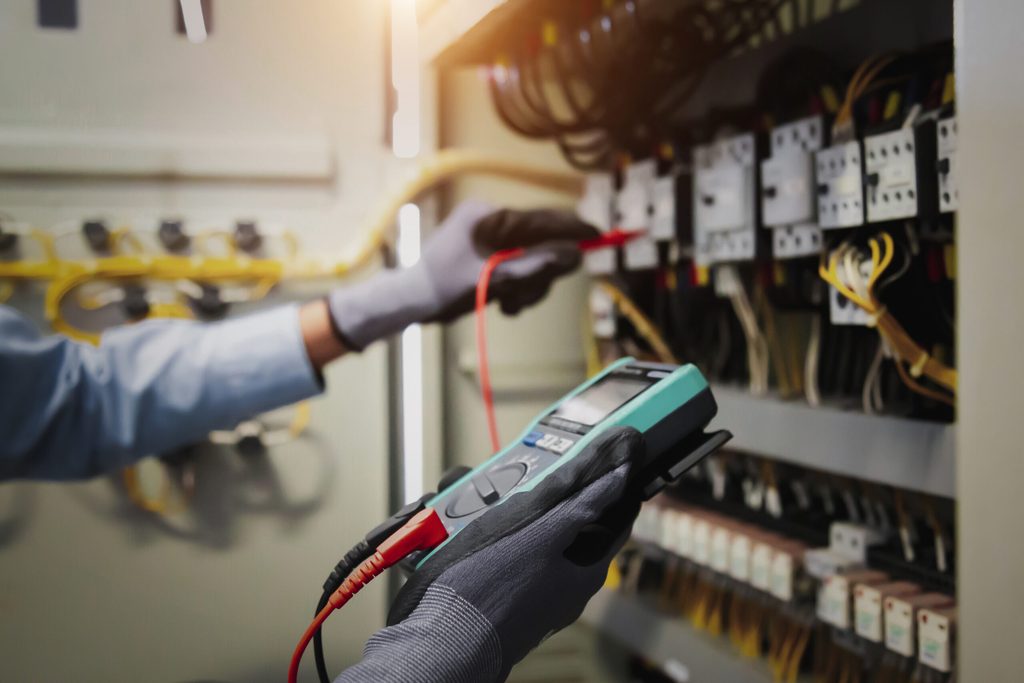
Testing closes the gap between an installed cable and a proven link. Cable certification records measured performance against the applicable standard and identifies faults such as split pairs, excessive length, poor terminations, or loss issues before equipment is placed into service. Closeout should include test reports, cable schedules, rack elevations, labeled drawings, and a walkthrough of the completed scope. That documentation gives the owner a reliable baseline for moves, additions, troubleshooting, and ongoing support. A clean handoff leaves the site ready for its technology team, managed provider, or future contractor to work with confidence.
Installation and Closeout Checklist
- Plan cable pathways around building layout, operating hours, existing conditions, and expected growth.
- Route copper and fiber with proper bend radius, electrical separation, secure supports, and approved pathways.
- Terminate each run using hardware matched to the selected cable category, patch panels, outlets, and fiber enclosures.
- Label outlets, cables, panels, and enclosures with clear identifiers that simplify tracing and future service.
- Ground racks and related infrastructure according to applicable requirements before placing network equipment into service.
- Certify every cable link and correct split pairs, length failures, termination faults, or loss issues.
- Deliver test reports, cable schedules, rack elevations, labeled drawings, and a completed-site walkthrough.
Network Cabling FAQ and Request a Site Review
Planning network cabling for a Gardena office, retail space, warehouse, or multi-tenant property starts with a clear view of the building and its daily demands. A site review answers the questions that matter before work begins: Where will racks, workstations, access points, cameras, and phones sit? Can the existing pathways support new runs? Are ceiling spaces, fire-rated penetrations, electrical sources, and equipment rooms ready for the scope? These details shape a structured cabling plan that is clean, serviceable, and sized for the work your team does now.
Clients often ask whether copper or fiber optic cabling is the right choice. Copper remains well suited to many desk connections, wireless access points, and powered devices. Fiber is often the stronger fit for longer distances, high-bandwidth backbone links, separate buildings, and areas where electrical interference is a concern. Many commercial network installations use both, with fiber linking key distribution points and copper serving endpoint devices.
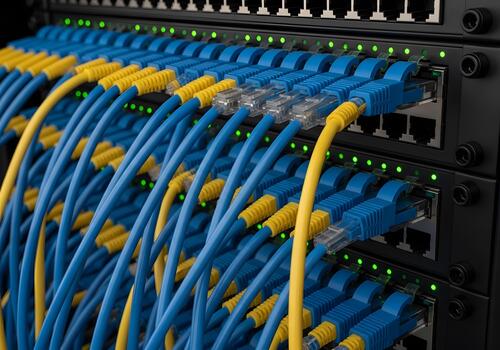
Another frequent question is whether cabling can be installed without closing the business. In many cases, yes. Cabling services can be scheduled around operating hours, phased by room or department, and coordinated with IT cutovers to limit interruptions. A site review gives the installer a chance to document access restrictions, identify risks hidden above ceilings or inside walls, and map a practical installation sequence. Request a visit to discuss your space, current equipment, future growth, and the cabling standard that fits your property.