
Key takeaways
- Site surveys align cabling, Wi-Fi, cameras, and low-voltage systems with real building conditions.
- Structured cabling keeps every run labeled, traceable, serviceable, and ready for future expansion.
- Proper pathways, termination, bend radius, and rack management improve network reliability and simplify changes.
- Wireless access points need placement based on materials, occupancy, interference, coverage, and wired backhaul.
- Fiber supports high-traffic, long-distance connections between floors, buildings, and telecom rooms.
- Testing, certification, and closeout documentation provide proof of performance and simplify future troubleshooting.
Network Cabling Company Lawndale CA, Structured Cabling and Low Voltage Services
A dependable network begins behind the walls, above the ceiling grid, and inside the telecom room. For Lawndale offices, retail sites, medical practices, warehouses, and multi-tenant business properties, a skilled network cabling company Lawndale CA can plan the physical layer around daily operations rather than forcing equipment to work around poorly placed wiring. The work may include structured cabling for workstations, wireless access points, phones, cameras, access control, AV components, and other low voltage systems.
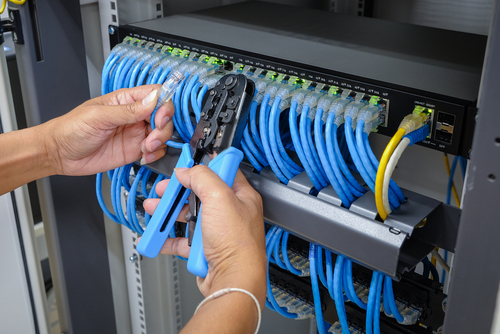
Thoughtful data cabling starts with a site review: where people work, where network equipment lives, which pathways are available, and what future growth may require. A cabling contractor can map cable routes, identify separation needs for power and low-voltage runs, select suitable copper or fiber media, and label every connection for straightforward service later. This approach gives structured data systems a cleaner backbone and keeps each computer cable run traceable from the outlet to the rack.

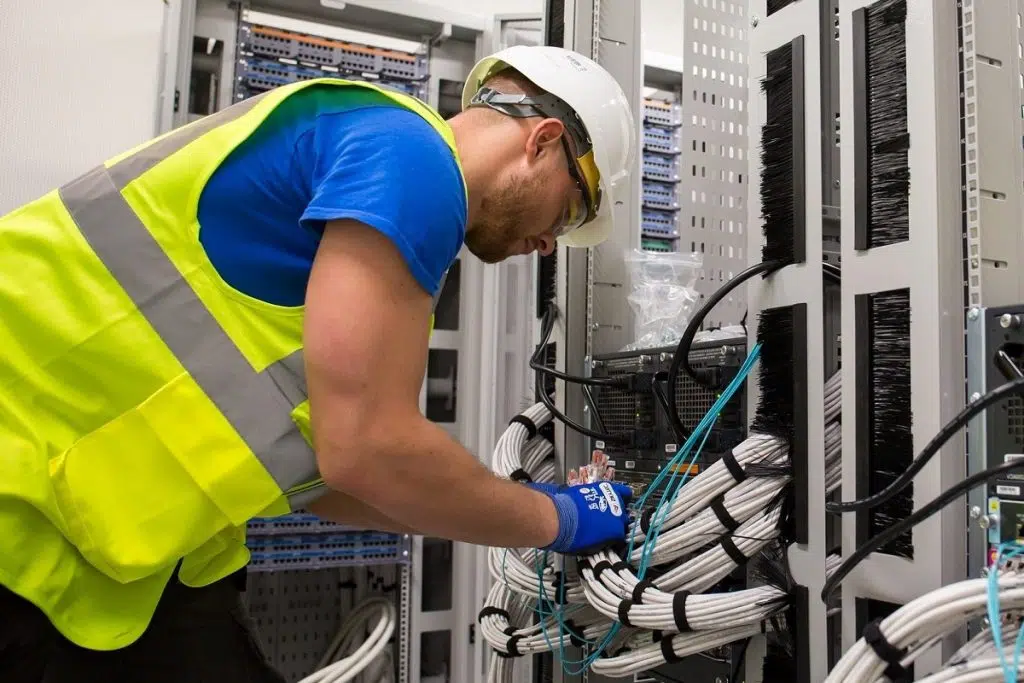
Professional cabling installation is more than pulling cable from one point to another. Proper support, bend radius, pathway planning, termination, labeling, and cable management affect reliability and the speed of future changes. Neat rack work leaves room for new switches, patch panels, and related equipment; organized horizontal wiring reduces confusion during moves, additions, and repair calls. Existing installations often benefit from the same discipline, particularly where old cable, unlabeled ports, or improvised extensions have accumulated over time.
After installation, cable certification provides documented performance data for each tested run. That record helps confirm that network cabling is ready for its intended application and gives IT teams a useful reference if a link develops trouble later. Whether a business needs a new office build-out, a refresh of aging data cabling, or support for low voltage equipment, careful planning and clean workmanship create a wiring system that is easier to operate, maintain, and expand.
Structured Cabling Checklist
- Review work areas, telecom rooms, ceiling pathways, and equipment locations before cable routing begins.
- Plan separate routes for power and low-voltage wiring to reduce interference and simplify service access.
- Select copper or fiber media suited to current network demands, distance limits, and planned expansion.
- Use proper supports, bend radius practices, terminations, and cable management throughout every run.
- Label outlets, patch panels, and rack connections so each cable remains traceable during repairs or moves.
- Organize racks with space for switches, patch panels, cameras, access control, and other low-voltage equipment.
- Certify completed cable runs and retain test records for IT troubleshooting and application readiness.





Network Cabling USA Inc: Wireless Networks, Fiber Optic and Network Cabling Planning
Network Cabling USA Inc serves organizations across Los Angeles County with the practical work that keeps offices, retail sites, warehouses, schools, and multi-tenant properties connected: thoughtful network cabling plans, orderly installation, and room to grow without opening walls twice. A dependable system begins long before cable is pulled. It calls for a clear reading of the building, the number and location of users, equipment rooms, ceiling pathways, power access, wireless coverage needs, and the demands placed on voice, data, security cameras, access control, and audiovisual equipment.
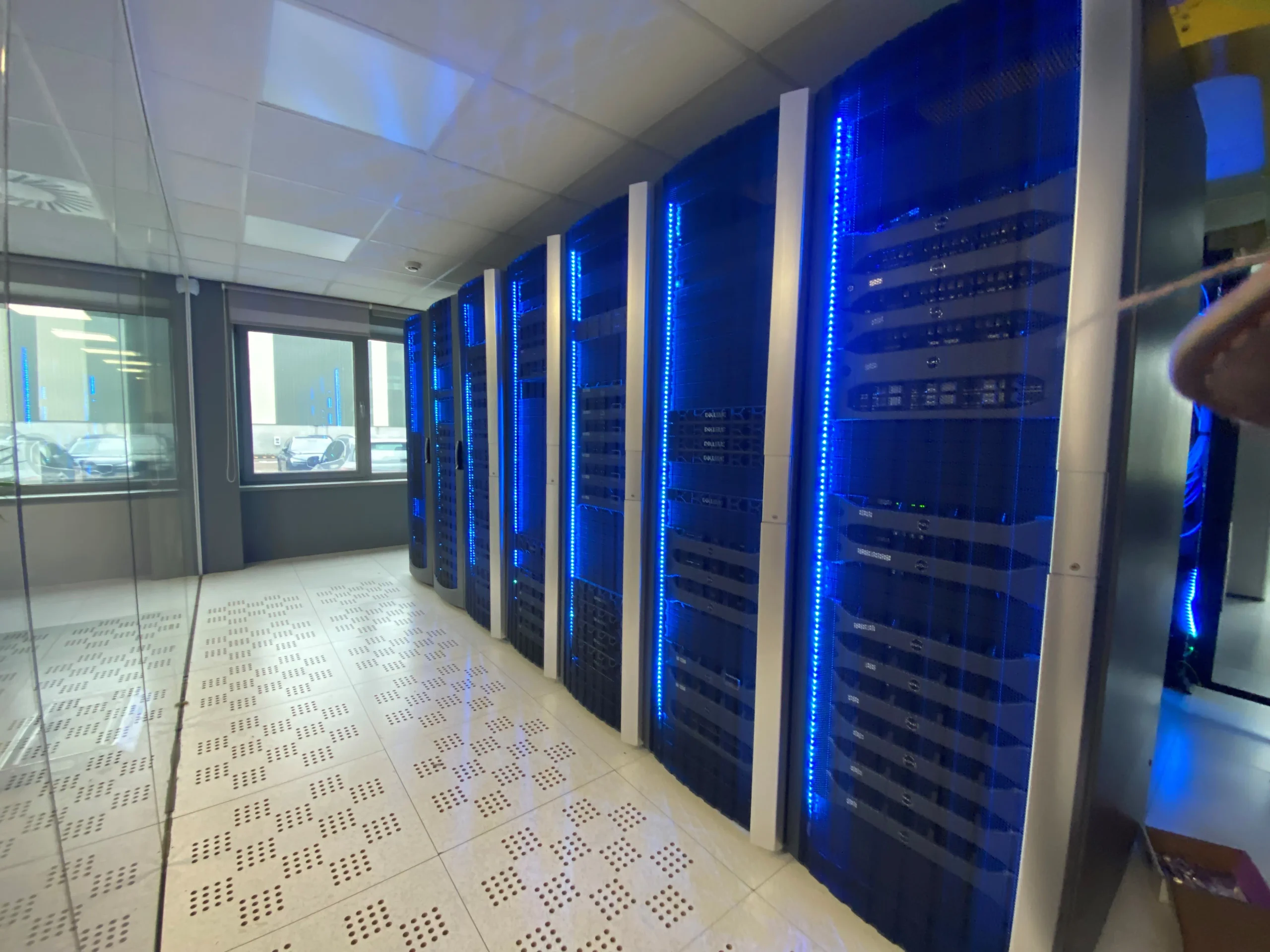
For a small Los Angeles office, the priority may be clean Cat6 runs to workstations and access points. A larger Angeles County facility may require backbone paths between telecom rooms, labeled patch panels, cable management, and documentation that gives an internal IT team a usable record of every connection. Planning at this level helps prevent familiar frustrations: weak Wi-Fi at the far end of a suite, crowded racks, undocumented cables, and expansion work that interrupts daily operations.
Wireless networks deserve the same attention as wired infrastructure. Access point placement should reflect wall materials, ceiling height, occupancy, roaming patterns, and interference, not a rough guess based on square footage. Wired connections form the foundation beneath those wireless networks, supplying backhaul and, where required, Power over Ethernet for access points, cameras, and phones.
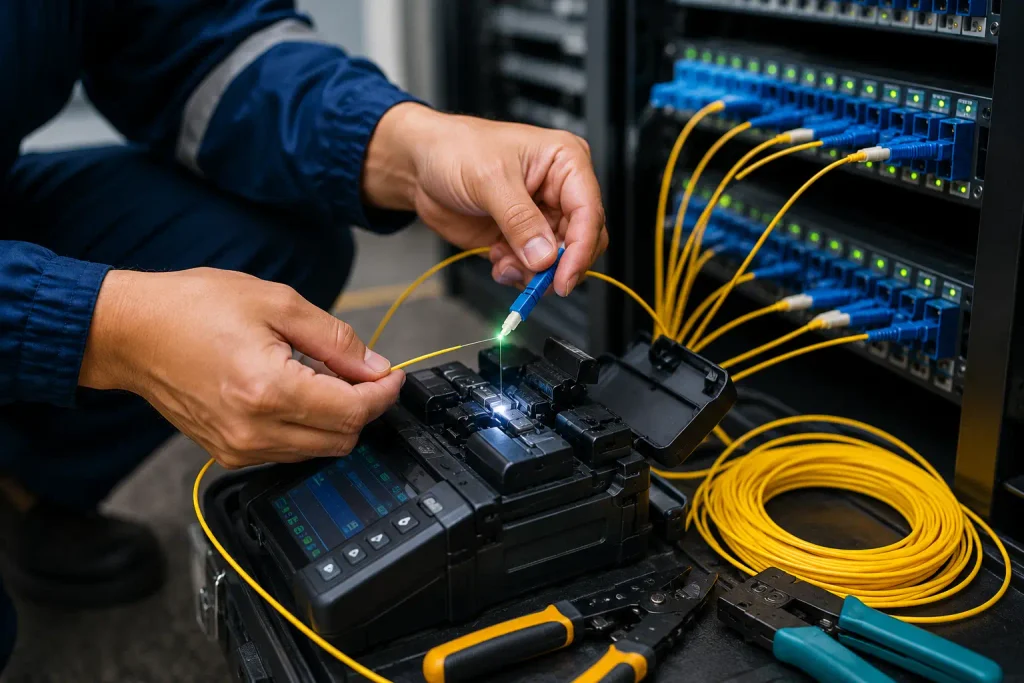
Fiber optic cabling has its own role across longer distances, between floors, buildings, or network rooms carrying high traffic volumes. Selecting the appropriate fiber type, pathways, termination hardware, and testing process protects performance at installation and makes later upgrades less disruptive. From a single Los Angeles suite to distributed sites across the county, Network Cabling USA Inc approaches network cabling as building infrastructure: planned carefully, installed cleanly, labeled clearly, and ready for the work that follows.
Network Infrastructure Planning Quick Reference
| Infrastructure area | Planning considerations | Common supporting components |
|---|---|---|
| Structured cabling | Plan around building layout, user locations, ceiling pathways, power access, and current and future connection needs. | Cat6 runs, workstation outlets, access point connections, labeled cabling |
| Wireless networks | Access point placement should account for wall materials, ceiling height, occupancy, roaming patterns, interference, and coverage needs. | Wireless access points, wired backhaul connections |
| Equipment rooms | Allow room for backbone paths between telecom rooms, orderly racks, cable management, labeling, and connection records for internal IT teams. | Telecom rooms, patch panels, racks, cable management, documentation |
| Power over Ethernet devices | Provide wired connections that can supply Power over Ethernet where required for networked devices. | Access points, security cameras, phones |
| Fiber optic backbones | Use fiber across longer distances, between floors or buildings, and for network rooms carrying high traffic volumes; select fiber type, pathways, termination hardware, and testing process. | Fiber optic cable, pathways, termination hardware, testing equipment |
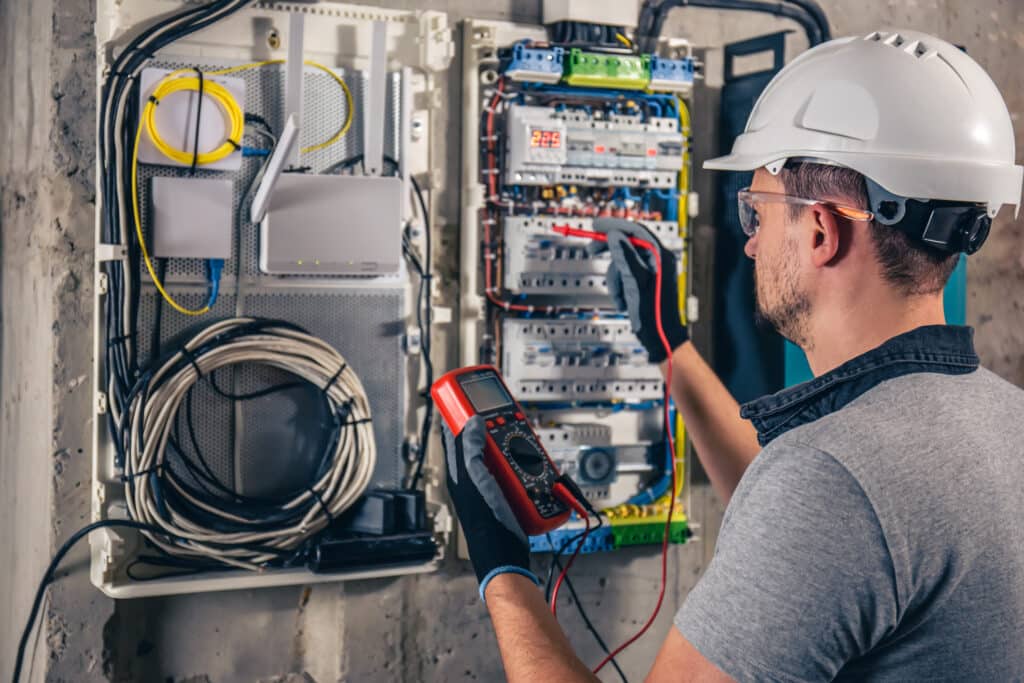
Site Survey, Installation Scope and Lawndale Project Handoff
A well-planned technology project in Lawndale starts on site, not from a generic equipment list. The site survey documents the building as it operates: where staff work, where internet service enters, the condition of existing network runs, electrical access, ceiling and wall construction, wireless coverage concerns, camera sightlines, and the rooms that carry the most daily traffic. For a local business, that walk-through turns a broad request into an installation plan grounded in the property’s real constraints.
Every survey should produce a clear scope of work. That means identifying which equipment will be supplied, what can remain in service, and where new cabling must be routed and labeled. A clean plan accounts for pathways through offices, retail floors, warehouses, and shared spaces without leaving exposed wire or disrupting customer-facing areas. It should spell out mounting locations, rack needs, patch-panel organization, network drops, access points, testing standards, and any work that requires coordination with building management or the city.
Permits and local requirements may shape the schedule, particularly where low-voltage cabling, exterior cameras, conduit, or fire-rated penetrations are involved. A qualified installer can flag those items before work begins, helping the project move forward with fewer surprises. The goal is not simply to place devices on walls or connect a few lines; it is to build systems that are orderly, serviceable, and suited to the way the location is used.
Handoff matters just as much as installation. At closeout, the business should receive documentation for installed equipment, cable labels, network details, user access, warranty information, and relevant certification records. Staff should have a practical orientation on everyday operation, from restarting approved devices to knowing whom to call for support. Final testing confirms that connections, coverage, and configured systems perform as planned. With the survey, scope, installation, and handoff handled with care, a Lawndale site is left ready for day-one use and easier long-term maintenance.
Lawndale Project Handoff Checklist
- Document staff work areas, service entry points, electrical access, ceilings, walls, wireless needs, and camera views during the site survey.
- List supplied equipment, reusable hardware, new cable routes, labeled drops, mounting points, rack space, and patch-panel layout.
- Plan cable pathways through offices, retail areas, warehouses, and shared spaces without exposed wiring or disruption to customers.
- Review permit needs for low-voltage cabling, exterior cameras, conduit, and fire-rated wall or ceiling penetrations before scheduling work.
- Coordinate building-management access, approved work hours, utility requirements, and any city inspections that affect installation timing.
- Test network connections, wireless coverage, cameras, and configured systems against the agreed scope before closeout.
- Provide equipment records, cable labels, network details, user access, warranties, certification documents, and staff operating guidance at handoff.