Key takeaways
- Structured cabling creates an organized, serviceable foundation for computers, phones, Wi-Fi, cameras, and access-control systems.
- Cat-rated copper supports everyday devices; fiber suits long distances, inter-building links, high capacity, and interference-prone areas.
- Site planning considers device locations, pathways, growth, electrical separation, equipment rooms, and building-specific installation constraints.
- Certified testing, clear labels, port maps, and records simplify troubleshooting, future expansion, repairs, and equipment moves.
Network Cabling Company Willowbrook CA, Network Cabling USA Inc
For Willowbrook businesses, a dependable network starts behind the walls: properly selected cable, orderly pathways, accurate labeling, and terminations that hold up under daily use. Network Cabling USA Inc provides networking services for offices, retail sites, warehouses, medical facilities, schools, and growing commercial properties throughout the area. As a network cabling company Willowbrook CA businesses can call for new installations, upgrades, relocations, and repairs, the team approaches each site with practical attention to how people work and how equipment needs to connect. A clean cabling system supports faster troubleshooting, safer service access, and room for future moves without turning closets and ceilings into a tangle. From structured copper runs for workstations and wireless access points to fiber links between rooms or buildings, the right design should fit the site’s present demands and planned growth. This cabling company serves Willowbrook and nearby Los Angeles service areas with field-ready planning and careful installation practices.




Structured Cabling and Structured Data for Commercial Network Infrastructure
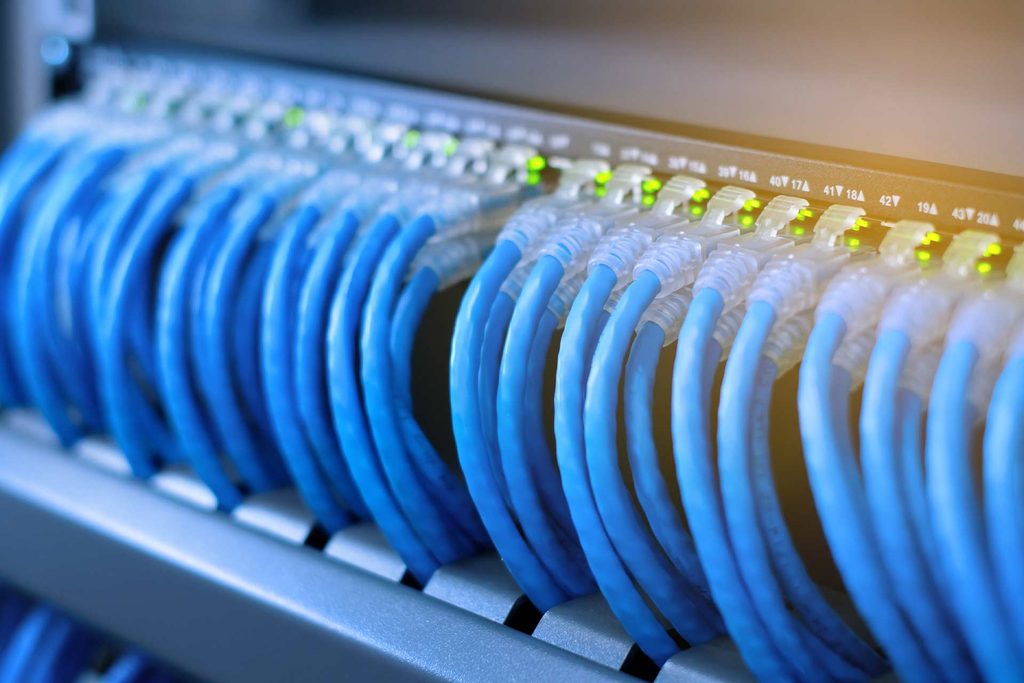
A commercial network works best when its physical layer is planned with the same care as the equipment it serves. Structured cabling gives a building a clear, serviceable backbone: permanent links, patch panels, labeled pathways, and documented outlets that can support daily operations without turning every change into a tracing exercise. The goal is not merely to run data cabling from one room to another. It is to create a network system that technicians can understand, test, maintain, and expand over the life of the property.
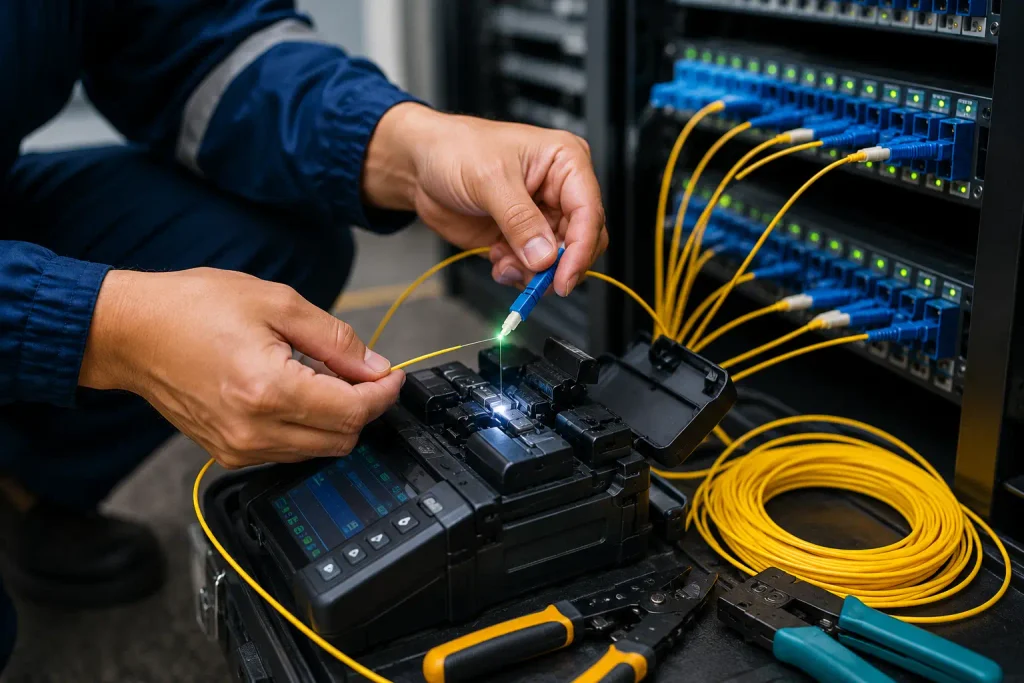
That starts with matching cable media to the job. Category-rated copper cable, often referred to as Cat cable, suits workstations, phones, wireless access points, cameras, and many powered devices. Fiber optic links are the right fit for longer runs, inter-building connections, high-capacity risers, and locations where electrical interference is a concern. A well-designed fiber backbone leaves room for future bandwidth demands without requiring disruptive construction later.
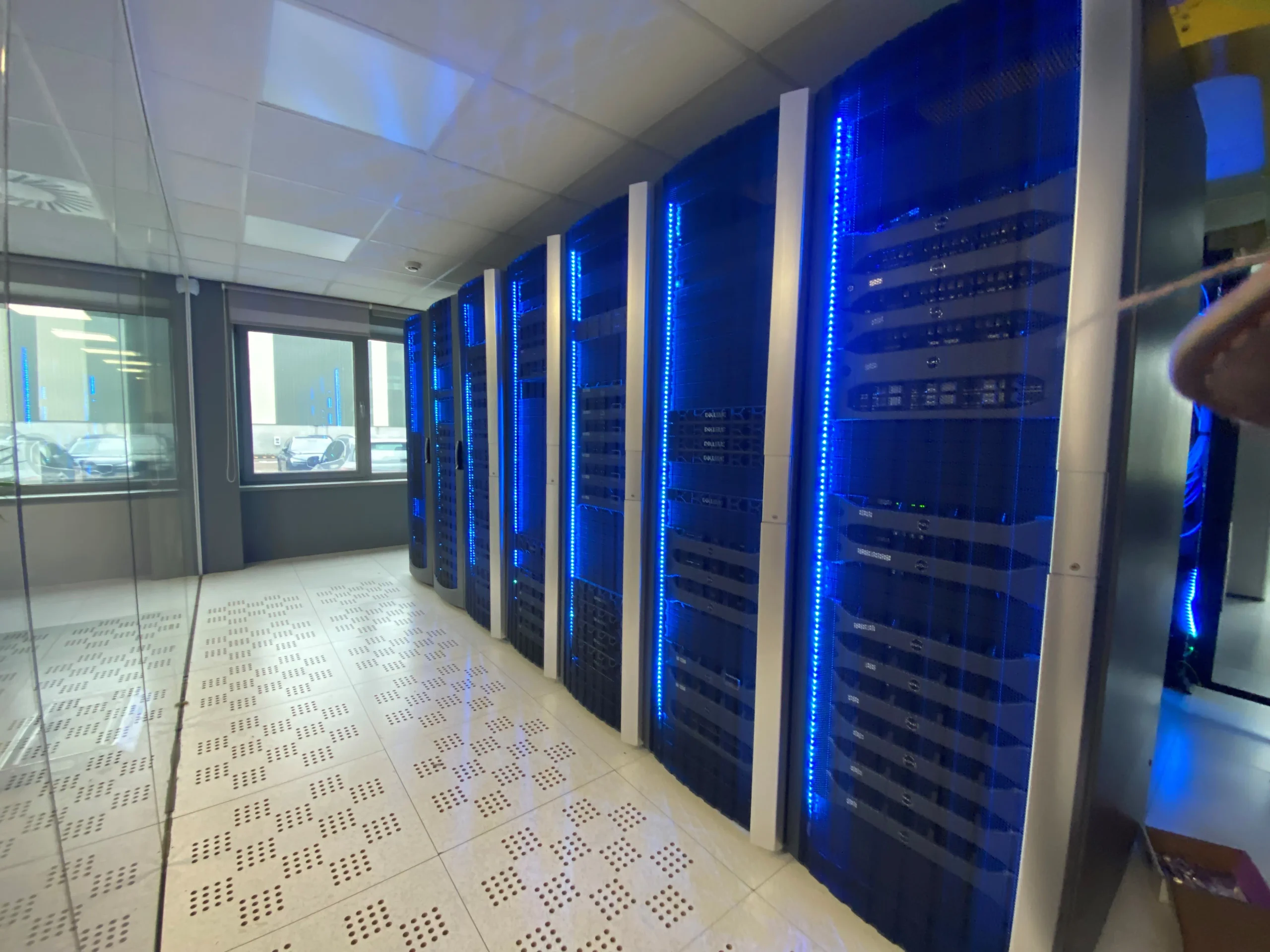
Structured data matters just as much as the cable itself. Accurate identifiers, port maps, test results, rack layouts, and pathway records turn a physical installation into usable operational information. For offices, retail spaces, medical facilities, warehouses, and mixed-use properties, this discipline reduces downtime during moves, additions, and repairs. The finished network infrastructure should be orderly behind the walls and clear on paper: a dependable foundation for the services people rely on every day.
Choosing Copper or Fiber for Commercial Network Infrastructure
| Consideration | Category-Rated Copper Cable | Fiber Optic Cable |
|---|---|---|
| Typical use | Workstations, phones, wireless access points, cameras, and many powered devices | Longer links, inter-building connections, and high-capacity risers |
| Run length needs | Suited to device connections within the building | Right fit for longer runs |
| Capacity planning | Supports common endpoint and powered-device connections | Leaves room for future bandwidth demands without disruptive construction later |
| Electrical interference | Not identified for interference-sensitive locations | Right fit where electrical interference is a concern |
Structured Cabling Checklist
- Match copper cabling to workstations, phones, cameras, and wireless access points.
- Use fiber for long runs, risers, inter-building links, and interference-prone areas.
- Install labeled patch panels, outlets, racks, and clear cable pathways.
- Record port maps, test results, rack layouts, and pathway details.
- Reserve backbone capacity for future services and bandwidth growth.
Network Cabling Installation and Cable Solutions
Well-planned cabling installation gives a property the quiet infrastructure it needs to work without interruption. From small offices and retail units to multi-floor commercial sites, network cabling should suit the building layout, current equipment and likely growth over the next few years. The right cable routes keep work areas orderly, protect connections from damage and make future moves far less disruptive.
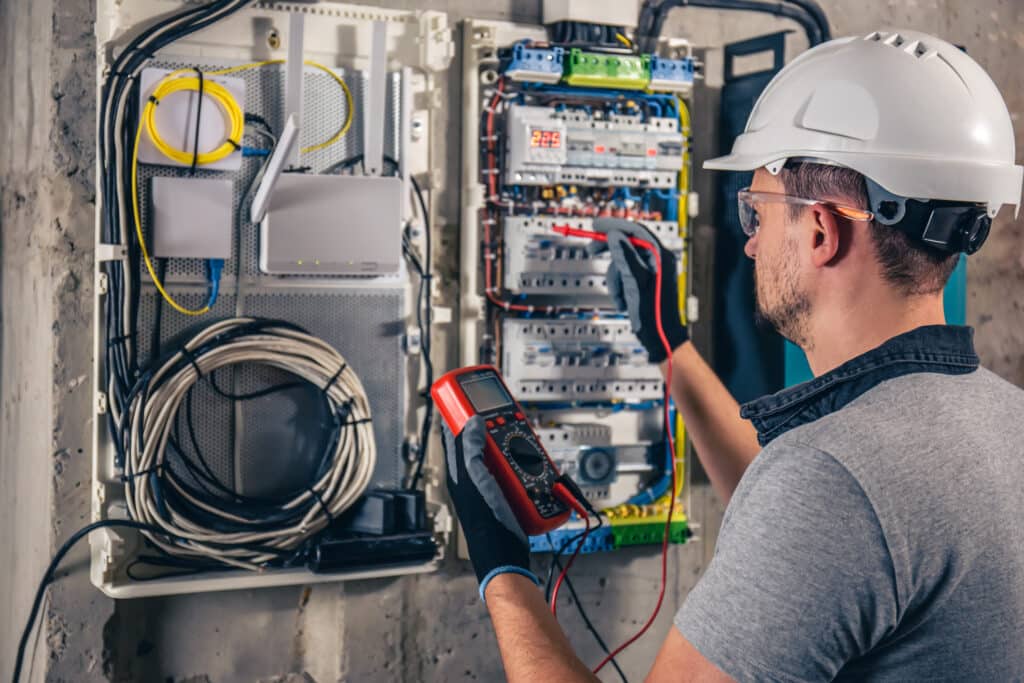
Our cabling services begin with a practical site review: where data points are needed, how routes can remain discreet, where cabinets belong and which cable category fits the required speed and distance. Experienced installers can run structured cabling through ceilings, walls, risers and floor voids with clean terminations and clear labelling at both ends. That attention matters when a fault needs tracing or a desk layout changes.
Installation services can cover data, voice, Wi-Fi access points, CCTV and access-control connections, bringing network and security systems into a tidier, easier-to-manage setup. Each installation is tested before handover, with results and cable records supplied for reference. Thoughtful cable solutions do more than connect devices; they give your team a dependable foundation for daily work, secure communications and expansion without unnecessary rework.
Network cabling checklist
- Review data point locations, cabinet placement and discreet cable routes.
- Select cable categories suited to required speeds, distances and planned growth.
- Run labelled cabling through ceilings, walls, risers and floor voids.
- Connect data, voice, Wi-Fi, CCTV and access-control systems neatly.
- Test every link before handover; supply results and cable records.
Cabling Project Planning, Testing, and Documentation
Reliable network infrastructure starts well before the first cable is pulled. A thoughtful plan maps current needs, likely growth, equipment locations, pathways, power considerations, and the practical realities of the building itself. For offices, retail sites, warehouses, and multi-tenant properties, that early site review helps prevent crowded conduits, awkward equipment-room layouts, and disruptive rework after walls or ceilings are finished.
Network cabling should be selected around the applications it must support: workstation connectivity, wireless access points, security cameras, phones, audiovisual equipment, and uplinks between network closets. A structured cabling design gives each run a clear purpose, a labelled termination point, and a route that can be serviced without guesswork. The installation team should maintain bend radius, separation from electrical services, proper support, and rated fire-stopping wherever a cable passes through a barrier.
Testing turns a completed cabling installation into a verified system. Copper links need certification against the stated category and length limits; fibre links need loss testing and, where appropriate, inspection and trace results. Clear records matter just as much: cable IDs, outlet locations, rack elevations, test reports, pathway notes, and photos create a usable reference for future moves, repairs, and expansion. Good documentation leaves the next technician with facts rather than assumptions.
Network Cabling FAQ
Choosing a network cabling company Willowbrook CA businesses can rely on starts with clear answers about scope, materials, timing, and long-term support. A well-planned commercial network is more than cable pulled above a ceiling: it is the physical foundation for phones, workstations, wireless access points, security cameras, point-of-sale systems, and future equipment. The right cabling services begin with a site walk, a discussion of current devices and expected growth, and a route plan that respects ceilings, walls, electrical pathways, and local code requirements. Clients often ask whether existing wiring can stay in place, how much downtime an installation requires, and whether Cat6, Cat6A, fiber, or a mixed design fits their property. Answers should be tied to the building, bandwidth needs, distance limits, and budget, not a one-size-fits-all package. Good documentation matters, too. Clearly labeled ports, tested runs, organized racks, and updated diagrams make moves, repairs, and expansion far easier for an IT team or future service provider. Whether the project covers one suite, a medical office, warehouse, retail floor, or multi-tenant property, ask for a written scope that identifies cable type, terminations, testing standards, patching, pathways, and cleanup. That level of detail helps protect the network from avoidable surprises after installation.